Ask the Agronomist: Grass Seed Q&A
- Milorganite AgronomistSeptember 19, 2026
Choosing the right grass seed is one of the most important decisions you'll make when starting a new lawn, overseeding an existing lawn, renovating a tired lawn, or repairing bare spots.
But what is the best grass seed for lawns?
No single grass variety is best for every lawn. The right choice depends on your climate, sunlight, soil, drainage, expected traffic, maintenance habits, and the conditions you're trying to manage.
The good news is that once you understand those factors, choosing a grass becomes much easier.
Start With Your Climate: Cool-Season or Warm-Season Grass?
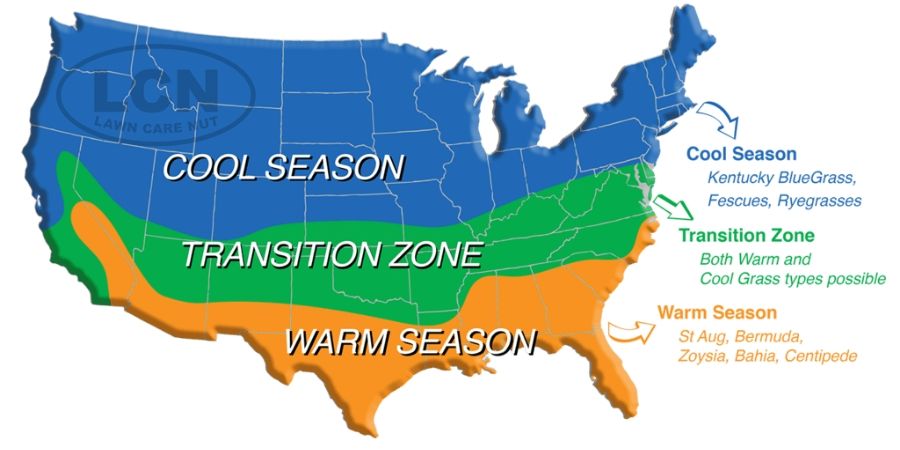
The first step is determining which type of grass is suited to your region.
Cool-Season Grasses
Cool-season grasses are best adapted to northern climates. They grow most actively during the cooler conditions of spring and fall and can survive cold winters.
Common cool-season lawn grasses include:
- Kentucky bluegrass
- Perennial ryegrass
- Fine fescues
- Turf-type tall fescue
These are the primary lawn grasses used in Illinois and throughout much of the northern United States.
Warm-Season Grasses
Warm-season grasses are better suited to the South and other areas with long, hot growing seasons.
Common warm-season types include:
- Bermudagrass
- Zoysiagrass
- St. Augustinegrass
- Centipedegrass
- Bahiagrass
Warm-season grasses grow most actively during summer and may become dormant and turn brown during cold weather.
We'll cover these grasses in detail in Part 2.
What About the Transition Zone Grasses?
There isn't a perfect north-south dividing line between cool-season and warm-season grasses.
The transition zone includes areas where both types can potentially be grown, depending on local conditions. Climate, winter temperatures, soil, sunlight, and maintenance can all affect which grass performs best.
Your state's land-grant university or local extension service is one of the best places to find recommendations for your area.

Part 1: Cool-Season Grasses:
How to Choose the Best Grass for Northern Lawns
So, what is the best cool-season grass? Instead of looking for a single "best" grass, think about which grass, or combination of grasses, best matches your growing conditions. Here are four cool-season grasses worth considering.
Kentucky bluegrass
Quick Guide to Cool-Season Grasses
As a general starting point:
- Best all-around traditional lawn: Kentucky bluegrass
- Best for drought and difficult conditions: Turf-type tall fescue
- Best for quick establishment: Perennial ryegrass
- Best for shade and lower maintenance: Fine fescues
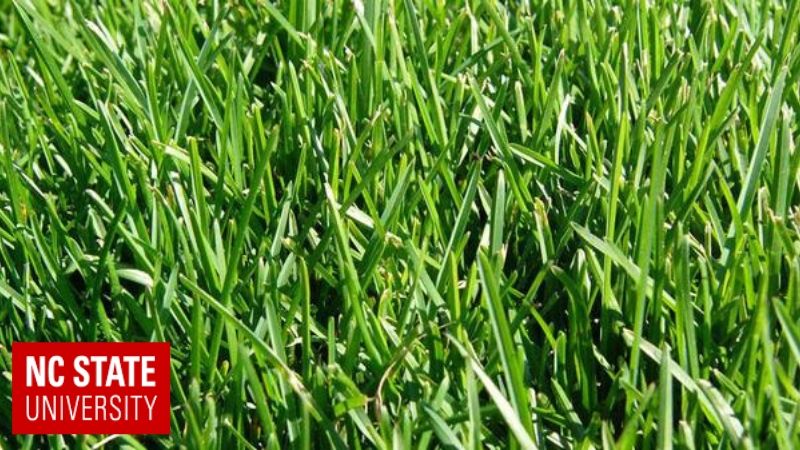
Kentucky Bluegrass
Kentucky bluegrass is one of the most popular lawn grasses in northern regions, including Illinois. It produces a dense, attractive lawn and spreads through underground rhizomes, allowing it to gradually recover from damage and fill in some bare areas. It also has good winter hardiness. The tradeoff is that Kentucky bluegrass is relatively slow to establish from seed and generally performs best with moderate to higher maintenance, adequate sunlight, and sufficient water.
Best for:
Full-sun lawns, attractive traditional lawns, and areas where lawn appearance is a priority.
Turf-Type Tall Fescue
Modern turf-type tall fescue is very different from the coarse pasture-type fescue many people remember. Turf-type varieties have been bred for narrower leaves, darker color, and a denser appearance. Their extensive root systems give them good drought tolerance and allow them to perform well under challenging conditions. They can also tolerate partial shade better than Kentucky bluegrass. One limitation is that tall fescue grows in clumps rather than spreading through rhizomes. Damaged areas may therefore need to be reseeded rather than filling in naturally.
Best for:
Hot, dry locations, lawns with some shade, and homeowners looking for a more resilient cool-season lawn.
Important: Look for turf-type tall fescue, not pasture-type tall fescue such as Kentucky 31, when selecting seed for a residential lawn.
Perennial Ryegrass
Perennial ryegrass germinates quickly and establishes faster than Kentucky bluegrass, making it useful for repairing bare spots and creating a quick green lawn. It also has good wear tolerance. However, perennial ryegrass is less winter-hardy than Kentucky bluegrass and is generally not recommended as the only grass in northern Illinois. It is often combined with Kentucky bluegrass in seed mixtures.
Best for:
Quick establishment, high-traffic areas, and mixtures with Kentucky bluegrass.
Be careful not to confuse perennial ryegrass with annual ryegrass. Annual ryegrass is generally used as a temporary cover rather than a permanent residential lawn.
Fine Fescues
Fine fescues include several closely related species, including creeping red fescue, Chewings fescue, hard fescue, and sheep fescue. Their fine leaves and ability to tolerate lower light make them particularly useful in shady areas. They also generally require less fertilizer than Kentucky bluegrass. However, fine fescues don't tolerate heavy traffic particularly well, and even shade-tolerant grasses need some direct sunlight. Illinois Extension notes that most shade-tolerant turf grasses still need roughly two to four hours of direct sunlight each day.
Best for:
Shady areas, lower-maintenance lawns, and seed mixtures.
But choosing the species is only the beginning. A high-quality grass seed blend or mixture can sometimes perform better than a single species because different grasses bring different strengths to the lawn.
We'll cover that—and how to actually choose a quality bag of seed in Part 3.
The Bottom Line
There isn't one perfect cool-season grass for every lawn.
Kentucky bluegrass, turf-type tall fescue, perennial ryegrass, and fine fescues each have different strengths. The best choice depends on your sunlight, soil, traffic, water availability, maintenance expectations, and local climate.
The best grass is the grass that matches your site.
Part 2: Warm-Season Grasses:
How to Choose the Best Grass for Southern Lawns
If you live in a region with long, hot summers and relatively mild winters, a warm-season grass may be the better choice for your lawn. Warm-season grasses grow most actively when temperatures are warm and typically go dormant during colder weather.
Bermudagrass
Quick Guide to Warm-Season Grasses
As a general starting point:
- Best for heat, drought, and heavy traffic: Bermudagrass
- Best all-around warm-season option: Zoysiagrass
- Best for warm, humid areas with some shade: St. Augustinegrass
- Best for low-maintenance lawns: Centipedegrass
- Best for poor, sandy soils and large properties: Bahiagrass
One important distinction from cool-season grasses is that warm-season grasses are generally not interchangeable across the South.Climate, winter temperatures, humidity, soil type, sunlight, and water availability can make a major difference in which species performs best.
Bermudagrass
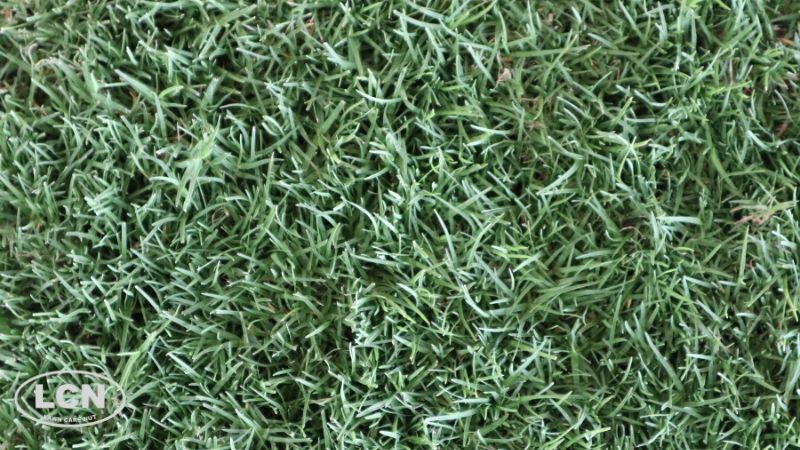
Bermudagrass is one of the most heat- and drought-tolerant warm-season lawn grasses. It thrives in full sun and warm conditions and can recover quickly from damage because it spreads aggressively through both stolons and rhizomes. It is particularly well suited to areas that experience intense summer heat, heavy traffic, or frequent use. Bermudagrass is also commonly used for athletic fields and golf courses because of its excellent wear tolerance and ability to recover from damage. The tradeoff is that Bermudagrass generally performs poorly in shade. It also requires regular mowing because it grows aggressively during the warm season.
In colder parts of its range, it can remain dormant for an extended period and may suffer winter damage.
Best for:
Hot, sunny lawns, drought-prone locations, high-traffic areas, and homeowners who want a grass that recovers quickly from wear.
Zoysiagrass
Zoysiagrass is a dense, durable warm-season grass that provides an attractive, fine-to-medium-textured lawn. It spreads through stolons and rhizomes, allowing it to gradually fill in damaged or thin areas. One of its biggest advantages is versatility. Zoysiagrass generally tolerates more shade than Bermudagrass while still handling heat and drought relatively well. Its dense growth also helps it compete with weeds once established.
The tradeoff is that zoysiagrass establishes more slowly than Bermudagrass. It can also take longer to green up in spring and may go dormant earlier in fall as temperatures decline.
Best for:
Home lawns that receive a combination of sun and light shade, homeowners wanting a dense attractive lawn, and locations where heat, drought, and moderate traffic are concerns.
St. Augustinegrass
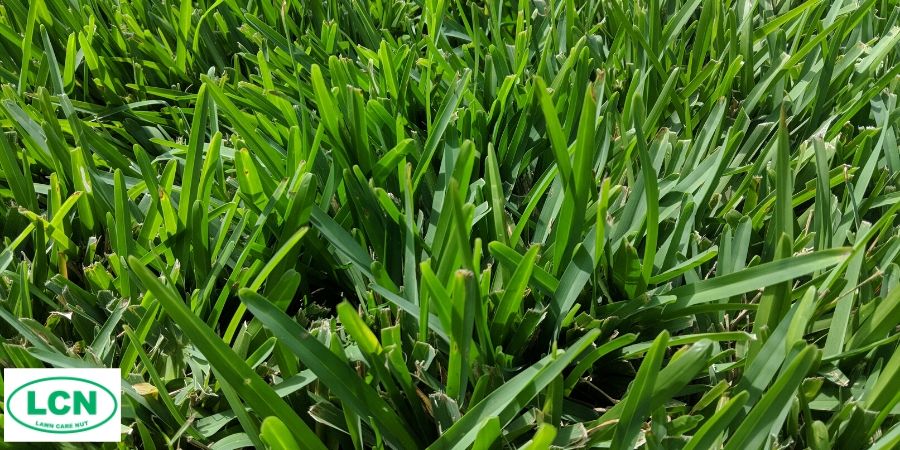
St. Augustinegrass is a coarse-textured warm-season grass that performs particularly well in hot, humid climates. It is one of the better warm-season choices for areas with some shade, although it still needs adequate sunlight to remain healthy. It spreads aggressively through above-ground stolons, which allows it to establish a dense lawn and fill in bare areas under favorable conditions. St. Augustinegrass generally produces a thick, attractive lawn with relatively broad blades. It is commonly used in the warmer parts of the southern United States.
The tradeoffs include relatively high water requirements in some conditions and greater susceptibility to certain diseases, insects, and environmental stresses. It also doesn't tolerate heavy traffic as well as Bermudagrass.
Best for:
Warm, humid climates, lawns with some shade, and homeowners who want a thick, dense lawn with good warm-season performance.
Centipedegrass
Centipedegrass is sometimes called the "poor man's grass" because it can provide an attractive lawn with relatively low fertilizer and maintenance requirements. It is adapted to warm, humid climates and generally performs best in acidic soils. Centipedegrass has a medium-to-coarse texture and spreads through stolons to form a relatively dense turf.
One of its biggest advantages is its relatively low maintenance requirement. It doesn't need as much fertilizer as some other warm-season grasses and can be a good choice for homeowners who don't want a high-input lawn. The tradeoff is that centipedegrass has relatively poor tolerance for heavy traffic and doesn't recover as aggressively from damage as Bermudagrass or zoysiagrass. It can also be sensitive to improper fertilization and soil conditions.
Best for:
Low-maintenance lawns, warm and humid climates, acidic soils, and areas with relatively light traffic.
Bahiagrass
Bahiagrass is a tough, low-maintenance warm-season grass that is particularly well adapted to sandy, infertile soils and drought-prone conditions. It develops an extensive root system and can survive challenging growing conditions with relatively little fertilizer or irrigation. This makes it useful for large properties, roadsides, utility areas, and low-maintenance landscapes.
However, bahiagrass doesn't produce the dense, manicured appearance that many homeowners expect from a traditional residential lawn. It also produces distinctive tall seedheads that can require frequent mowing during active growth.
Best for:
Large properties, sandy or poor soils, low-maintenance lawns, and areas where durability is more important than a highly manicured appearance.
The Bottom Line
There isn't one perfect warm-season grass for every lawn.
Bermudagrass may be an excellent choice for a hot, sunny, high-traffic lawn, while zoysiagrass may make more sense where you want greater shade tolerance. St. Augustinegrass can be a strong choice in warm, humid areas, while centipedegrass and bahiagrass may appeal to homeowners looking for lower-maintenance options.
The best warm-season grass is the one that matches your growing conditions.
Part 3: How to Choose Grass Seed:
Blends, Mixtures, Seed Labels, and Seeding Tips
Choosing the right species is important, but buying grass seed isn't as simple as picking a species and grabbing the first bag you see. The next step is matching the seed to your property and learning how to evaluate what's actually inside the bag.
Should You Buy a Grass Seed Mix?
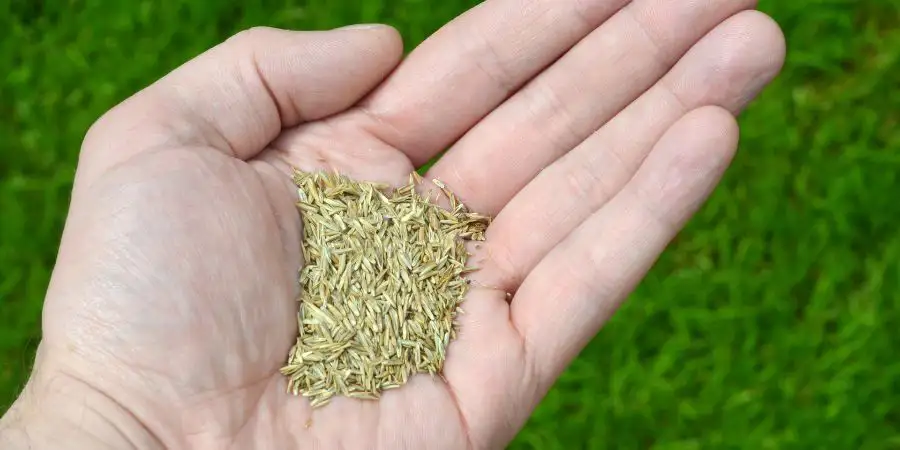
In many situations, yes. A blend contains multiple cultivars of the same grass species. A mixture combines different grass species.
For example:
- A Kentucky bluegrass blend may contain several Kentucky bluegrass cultivars.
- A Kentucky bluegrass/perennial ryegrass mixture combines two different species.
- A Kentucky bluegrass/fine fescue mixture can provide better performance across areas with different amounts of sunlight.
Using multiple cultivars or species can provide a more diverse lawn that is better equipped to handle different stresses and growing conditions. The right combination depends on your site and how you use the lawn.
Match the Seed to Your Growing Conditions
Before buying seed, think about what your lawn actually experiences.
Full Sun
A Kentucky bluegrass blend can be a strong choice for cool-season lawns with good sunlight.
A Kentucky bluegrass/perennial ryegrass mixture can also work well, particularly where quick establishment and wear tolerance are important.
Turf-type tall fescue is worth considering for hot, dry, or high-traffic locations.
For warm-season lawns, Bermudagrass and zoysiagrass are strong options depending on climate and maintenance expectations.
Sun and Shade
Consider Kentucky bluegrass combined with fine fescue, or a suitable turf-type tall fescue blend.
Among warm-season grasses, zoysiagrass and St. Augustinegrass generally offer more shade tolerance than Bermudagrass, although neither will thrive in deep shade.
Shade
Fine fescues are among the better turf options for shady cool-season lawns.
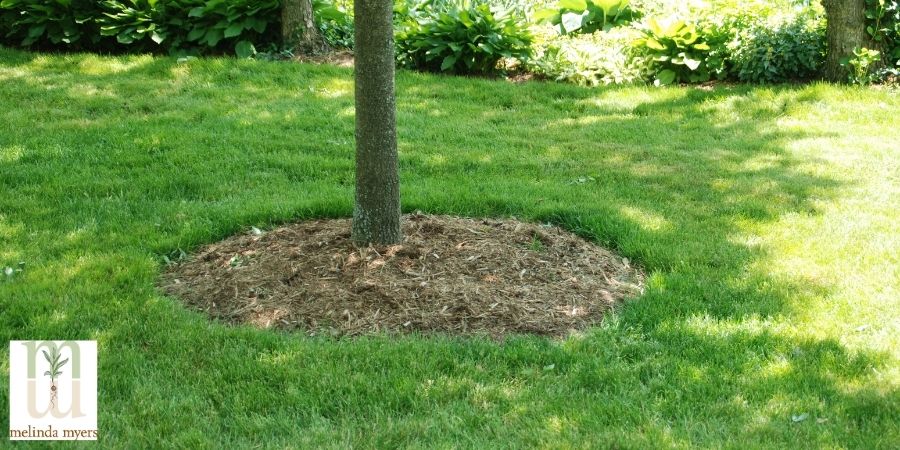
Remember that even shade-tolerant grass needs some sunlight. If an area receives very little direct sunlight, a groundcover, garden bed, or another landscape solution may work better.
High Traffic
Consider Kentucky bluegrass or turf-type tall fescue for cool-season lawns, with perennial ryegrass included where rapid establishment and wear tolerance are important.
For warm-season lawns, Bermudagrass is particularly well suited to heavy traffic and rapid recovery.
Think About How You Use Your Lawn
Your lifestyle should influence your grass selection. A lawn used by children, pets, or frequent visitors needs different characteristics from a lawn that is primarily ornamental.
Ask yourself:
- Do children or dogs regularly run across the lawn?
- Do you need grass that recovers from damage?
- Is the lawn mostly decorative?
- How much time do you want to spend watering and fertilizing?
- Are you willing to reseed damaged areas?
- Does the lawn receive full sun or significant shade?
There's no reason to choose a high-maintenance grass simply because it looks great in someone else's yard.
Don't Ignore Soil and Drainage
Grass variety is only part of the equation. Before buying seed, look at your soil and growing conditions.
Consider:
- Soil type and compaction
- Drainage
- Soil fertility
- Soil pH
- Sunlight
- Irrigation
- Areas that stay wet
- Areas that regularly dry out
- Potential flooding
- Traffic and wear
A grass that performs beautifully in one part of your property may struggle in another. If your lawn contains both sunny and shady areas, using a mixture designed for those conditions may produce better results than forcing one grass type across the entire property.
When Is the Best Time to Seed or Overseed?
For cool-season lawns, late summer into early fall is generally the best time to seed. Soil is still warm enough for germination while cooler fall weather provides favorable conditions for establishment. Spring can also work, but newly established grass has less time to develop before facing summer heat and drought.
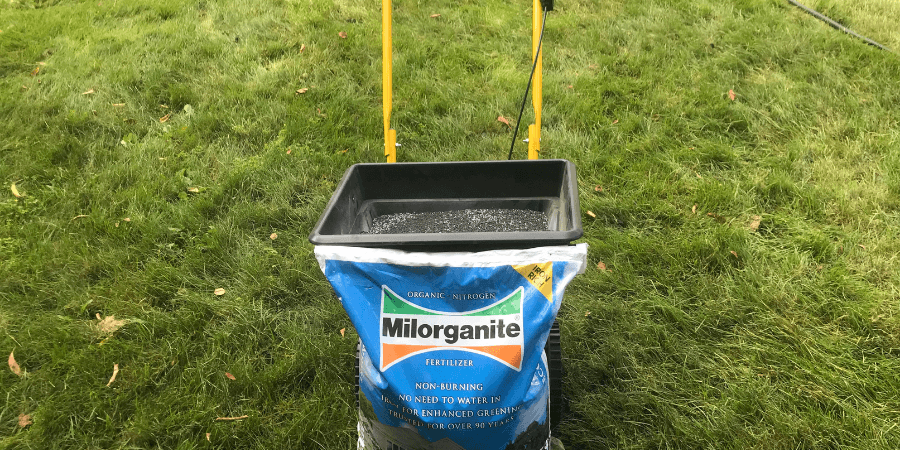
For warm-season grasses, establishment is generally best during the warm growing season when soil and air temperatures support active growth. If you're overseeding, timing matters just as much as the seed you choose. Prepare the soil, ensure good seed-to-soil contact, and keep newly seeded areas consistently moist during germination and early establishment.
How Much Seed Do You Need?
Seeding rates vary by grass species and whether you're establishing a new lawn or overseeding.
For example, Illinois Extension recommends approximately:
- Kentucky bluegrass blend: 1–3 pounds per 1,000 square feet
- Kentucky bluegrass/perennial ryegrass mixture: 3–4 pounds per 1,000 square feet
- Kentucky bluegrass/fine fescue mixture: 3–5 pounds per 1,000 square feet
- Tall fescue blend: 6–9 pounds per 1,000 square feet
Always follow the recommended rate for the specific seed mixture you're using. More seed isn't necessarily better. Excessive seeding can produce weak seedlings and increase disease pressure.
How to Read a Grass Seed Label
Don't choose seed based solely on the brand printed on the bag. The seed label contains important information about what's actually inside.
Pure Seed
This tells you how much of the product consists of the stated grass species or varieties.
Other Crop Seed
This identifies agricultural or other crop seeds that aren't part of the desired lawn mixture.
Weed Seed
Lower is better.
Weed seeds can introduce unwanted plants into your lawn, so look for products with very low weed-seed percentages.
Inert Matter
This includes material such as chaff, dirt, and other material that won't produce a grass plant.
Keep in mind that coated seed can legitimately have a higher inert-matter percentage because the coating is included in this category.
Germination
Higher germination means more of the viable seed is expected to produce seedlings under appropriate conditions.
Cultivar Names
Cultivar names are particularly important if you're trying to select high-performing varieties.
Different cultivars within the same grass species can have different characteristics, including:
- Disease resistance
- Color
- Density
- Drought tolerance
- Winter hardiness
- Shade tolerance
- Wear tolerance
Don't Choose Grass Seed by Brand Alone
There are many reputable grass-seed companies, and the best product isn't necessarily the one with the most recognizable name. Instead, compare the actual seed label.
Look for a product that:
- Contains species suited to your region
- Contains cultivars appropriate for your growing conditions
- Has strong germination
- Has low weed-seed content
- Doesn't contain unwanted crop species
- Matches the amount of sun and traffic your lawn receives
Regional recommendations can also be valuable because cultivars that perform well in one climate aren't necessarily the best choices somewhere else.
What About Drought-Tolerant Grass?
Drought tolerance has become an increasingly important consideration for homeowners.
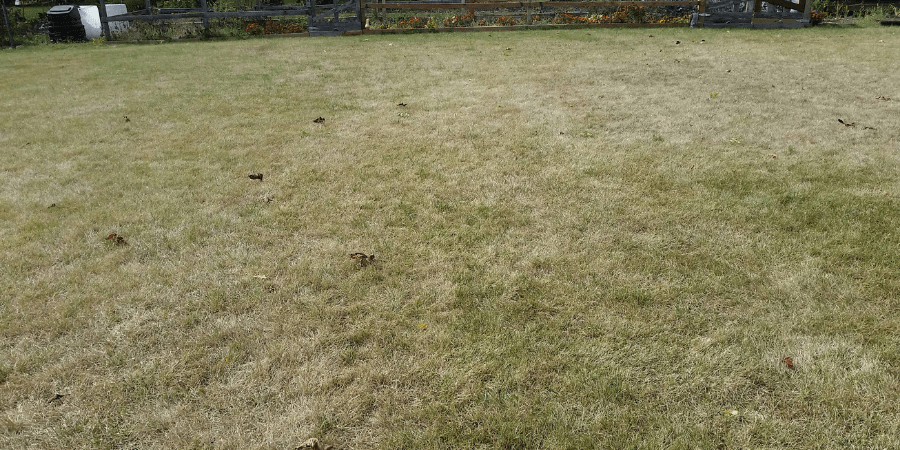
For cool-season lawns, turf-type tall fescue is particularly attractive where drought and summer heat are concerns because of its extensive root system. Kentucky bluegrass also has a useful drought-survival strategy. During prolonged heat and dryness, it can enter dormancy and recover when conditions improve.
For warm-season lawns, Bermudagrass and zoysiagrass are well known for their ability to handle heat and dry conditions once established.
However, no grass is completely drought-proof. Good soil preparation, appropriate mowing, proper watering, and selecting a grass suited to the site are all important parts of building a lawn that can withstand dry periods.
The Bottom Line: What's the Best Grass?
There isn't one perfect grass for every lawn.
For cool-season lawns, some of the best choices include Kentucky bluegrass, turf-type tall fescue, perennial ryegrass, and fine fescues.
For warm-season lawns, some of the leading choices include Bermudagrass, zoysiagrass, St. Augustinegrass, centipedegrass, and bahiagrass.
The best option depends on the conditions on your property.
And remember. The best seed is the seed that matches your site.
Before buying, take a few minutes to evaluate your sunlight, soil, drainage, traffic, climate, and maintenance expectations. Then compare the actual seed labels rather than choosing based solely on brand or price.
That small amount of planning can make the difference between a lawn that struggles and one that thrives.