Why Earthworms Matter
- Gardening Expert and Host of Growing a Greener World®March 7, 2026
Earthworms are one of the clearest indicators of healthy soil. If you’ve ever turned over a shovel of earth and spotted worms moving through it, you were looking at a living system that’s functioning well. Worms don’t just inhabit good soil — they actively create it by improving structure, enhancing aeration, and accelerating nutrient conversion.
Every time a worm burrows, it reshapes the soil environment. Those tunnels loosen compacted ground and create pore spaces that allow oxygen and water to move more freely. For gardeners, that shows up as easier digging, stronger root systems, and soil that feels light and crumbly rather than dense and heavy. Roots often follow worm channels deeper into the soil profile, accessing water and nutrients they might not otherwise reach.
Aeration, Drainage, and Drought Resilience in Soil
Great soil maintains a careful balance between air and water. Worm tunnels create channels that improve infiltration during heavy rain while preventing prolonged saturation. Water soaks in rather than running off, and excess moisture can drain downward without suffocating roots.
At the same time, those same pathways help soil retain enough moisture to carry plants through dry periods. The result is a more stable root environment — one where oxygen remains available, and water is accessible when needed. That balance is essential for vigorous plant growth.
Nutrient Cycling and Soil Fertility
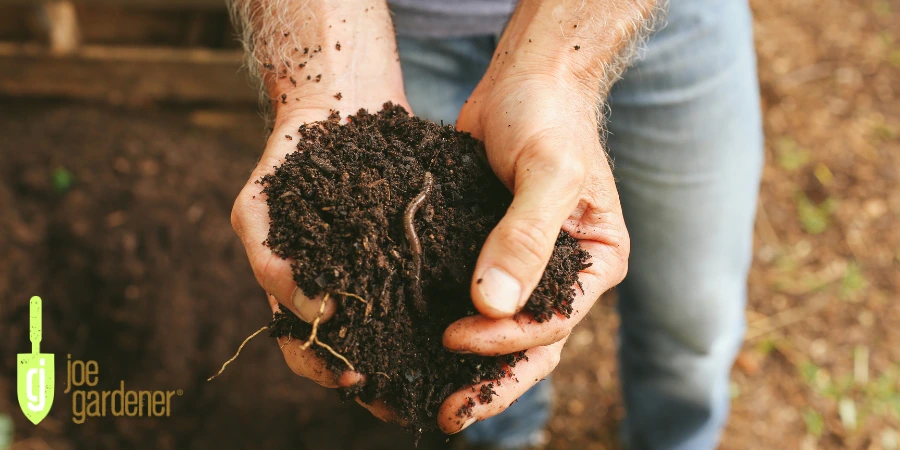
Worms play a central role in biological conversion within the soil. They feed on decaying leaves, grass clippings, compost, and other organic matter. As that material passes through their digestive systems, it is transformed into nutrient-rich castings containing plant-available forms of nitrogen, phosphorus, potassium, and trace minerals.
Worm castings are often richer than the surrounding soil because they are preloaded with beneficial microbes. As worms move through the soil, they distribute bacteria and fungi that further stimulate microbial activity and decomposition. This strengthens the rhizosphere — the zone around plant roots where nutrient exchange occurs most efficiently — leading to stronger, more resilient plants.
Supporting the Soil Food Web
The soil food web is a vast subterranean community composed of billions of organisms, from microscopic bacteria and fungi to protozoa, nematodes, arthropods, and other soil dwellers. Worms are among its largest and most visible members, and their activity supports the entire network.
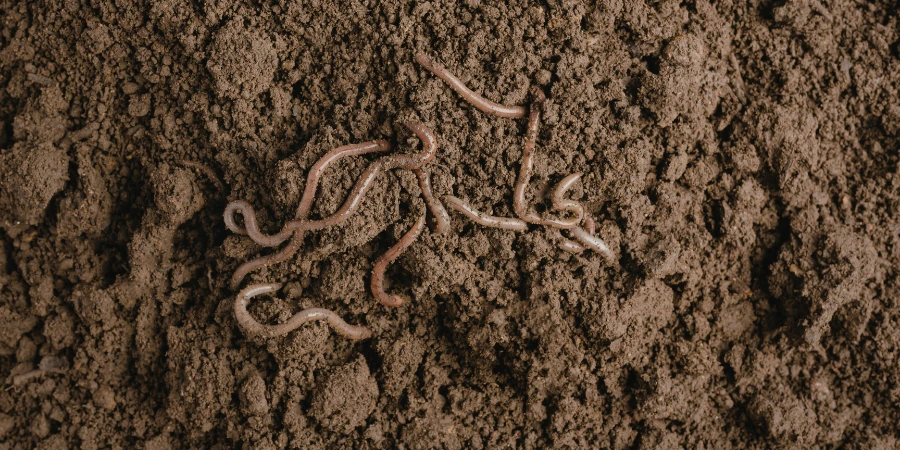
One of the benefits I appreciate most as a gardener is how worms naturally incorporate organic matter into the soil. Mulch and compost don’t remain on the surface for long when worm populations are active. Worms pull organic debris into their burrows, blending it directly into the root zone and accelerating humus formation.
In no-till gardens, worms perform much of the work gardeners often assume requires mechanical cultivation. They maintain pore structure, incorporate organic matter, and continually improve soil through biological processes rather than disturbance.
Building Healthy Worm Habitats
I’m often asked how to attract worms to a garden. The answer is simple: create the conditions they prefer.
Start with the best soil you can build. Add compost regularly, keep the surface covered with natural mulch such as shredded leaves or rotted straw, and maintain consistent moisture. You don’t need to purchase worms. When you improve the soil, they will come.
Not all worms play the same role. Surface dwellers such as red wigglers live primarily in organic debris and compost systems. Topsoil species work just below the surface. Deep burrowers, including nightcrawlers, create vertical tunnels that significantly improve infiltration and aeration. Together, these groups form a layered underground workforce.
Practices that quickly reduce worm populations include excessive tilling, leaving soil exposed, compaction, and heavy use of high-salt synthetic fertilizers. Pesticides can also disrupt soil life. Protecting habitat is the most reliable way to maintain strong worm populations.
If you want a simple assessment, dig a shovel slice about eight inches deep and count what you see. In healthy, mulched soil, you should find several worms in that single spadeful.
The Big Picture
Healthy soil is alive. When earthworms are thriving, it tells you the biological engine beneath your garden is running efficiently. Support that underground system, and everything growing above it improves as a result.
A Note on Jumping Worms
It’s important to clarify that this article refers to established garden earthworm species commonly found in healthy soils. Invasive “jumping worms” (Amynthas species) are a separate and still-evolving issue in parts of North America. Research is ongoing regarding their ecological impact, particularly in forest systems where they can significantly alter soil structure and rapidly consume leaf-litter layers. Their long-term effects in home garden settings are still being evaluated. They are not the earthworms referenced in this discussion, and gardeners should follow current guidance from their local extension services regarding identification and management.
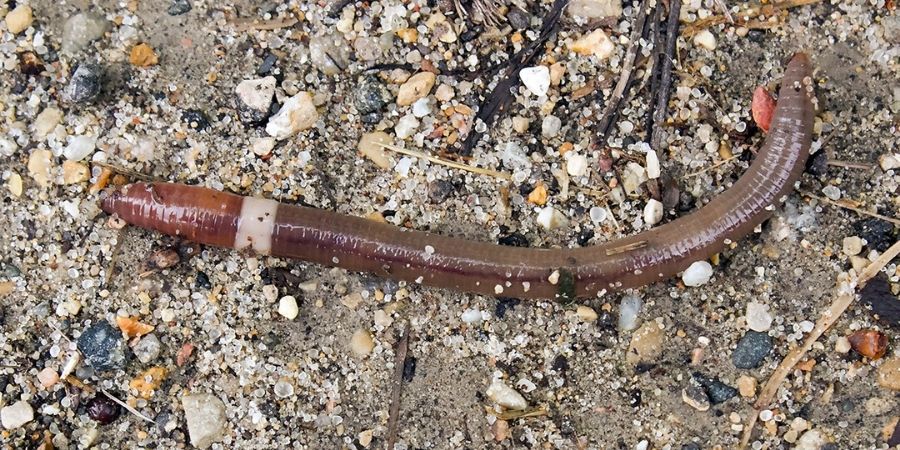
Jumping worm