
How to Take Care of Hydrangeas
- horticulturist and gardening expertMay 2, 2026
Boost the flowering, overall beauty, and health of your hydrangeas with proper care and by pruning at the right time. Caring for these plants is pretty easy, even pruning, once you understand how and when these plants flower. So before breaking out the pruners, take a few minutes to review a few basics. You’ll be glad you did when your hydrangea is thriving and covered in flowers.
Caring for Hydrangea Bushes
Many of us grew up enjoying the big, round, white flowers of smooth hydrangeas (Hydrangea arborescens). These often filled those shady spots in our parents' or grandparents' yard. These plants, often called Anabelle-type hydrangeas, are native from New York to Iowa and South to Florida and Louisiana. Their adaptability, low maintenance, and hardy (zones 3 to 9) nature have helped them maintain their popularity.
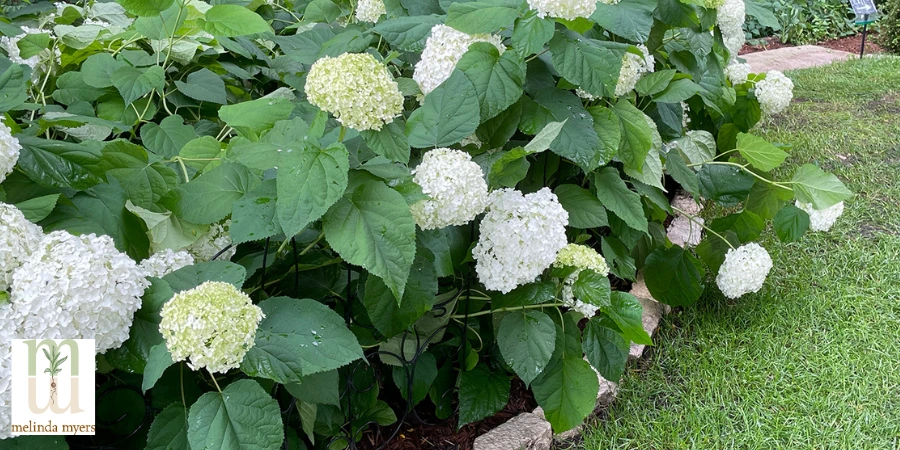
Hydrangea-arborescens
Their flowers form on new growth and do not change color with a change in soil pH. Most have large white flowers, but more recent introductions, including the Invincibelle Spirit cultivars and Incrediball Blush, added pink to the color choices. Sorry, there are no blue Annabelle-type hydrangeas available.
Smooth hydrangeas prefer partial shade but will tolerate full sun as long as the soil is kept moist. Spreading a layer of organic mulch over the soil surface will help keep the soil cool and moist throughout the growing season.
You’ll find a wide range of panicle hydrangea (Hydrangea paniculata) cultivars from the small Tiny Quick Fire at 1.5 to 3’ to the large 6 to 10 feet or taller Limelight. Panicle hydrangea is hardy in zones 3 to 8 and to zone 10 on the West Coast. It prefers full sun but will tolerate some shade and thrives in moist, well-drained soil, but is the most drought-tolerant of all the hydrangeas.
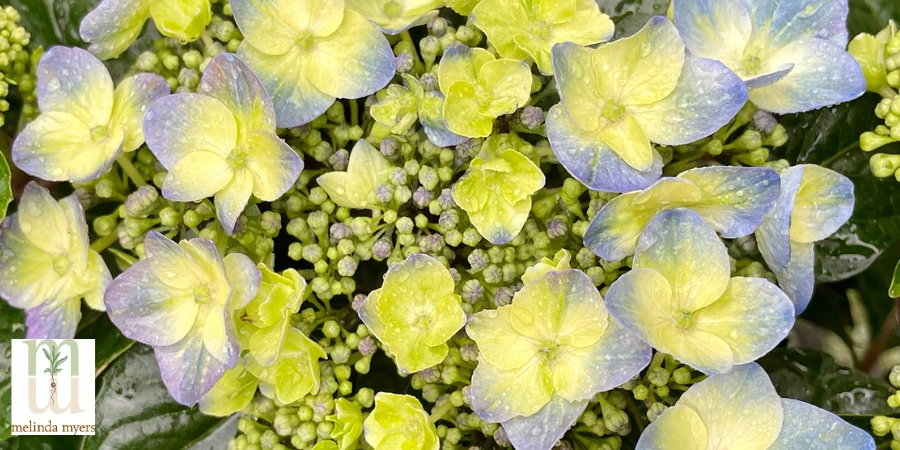
Hydrangea-macrophylla
The beautiful pink and blue flowers of bigleaf hydrangeas (Hydrangea macrophylla) are often seen growing in southern and Pacific Northwest gardens in zones 6 to 9. Also known as mophead and French hydrangeas, they form their flower buds the summer before they bloom. If you garden in colder climates, you may have tried growing these and ended up with nothing but leaves.
Repeat-blooming cultivars of bigleaf hydrangeas like the Endless Summer series, Twist-n-Shout, and Let’s Dance form flowers on old wood and again on the current season’s growth. New cultivars continue to be added to this group of bigleaf hydrangeas. Repeat flowering extends the floral enjoyment for gardeners, where these plants reliably bloom and give those of us in colder climates a chance to enjoy these flowers
Unfortunately, not all repeat-blooming hydrangeas have lived up to their reputation in colder regions. I find applying Milorganite slow-release fertilizer in the spring and keeping the soil consistently moist, not soggy wet, throughout the growing season promotes flowering. Research found that when the microorganisms released the nutrients from the Milorganite pellets some of the phosphorus and potassium bound to the soil was made available to the plants. Phosphorus promotes flowering while potassium promotes hardiness and disease resistance. Almost everyone I shared this recommendation with has seen improved flowering.
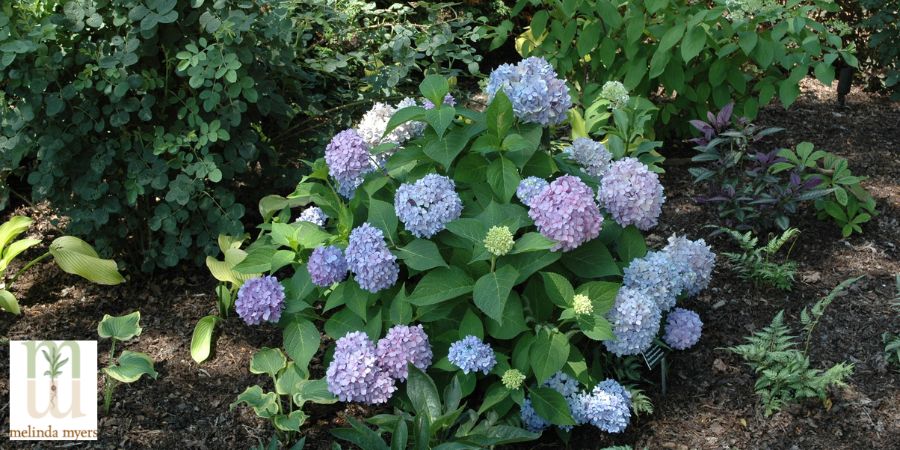
Hydrangea Bigleaf (Endless Summer)
Grow bigleaf hydrangeas in full sun to part shade with moist, well-drained soil. Those in warmer regions will have better success when providing these plants with a bit of afternoon shade. Bigleaf hydrangeas will have blue flowers in acidic (low pH) soils and pink blooms in alkaline or high pH soils. It is actually the presence or absence of aluminum that determines the flower color. Aluminum is available in acidic soils and results in blue flowers.
It is difficult to change soil pH and maintain it over time. Have a soil test before attempting to change the soil pH. Those growing bigleaf hydrangeas in alkaline soil fertilize with aluminum sulfate in spring and early summer to try to change the flowers from pink to blue. Those growing in more acidic soil often add lime to raise the pH and change the flower color from blue to pink. The easiest option is to embrace and enjoy the color that naturally occurs in your soil.
Providing plants with winter protection in the northern range of hardiness can help increase flowering. Protect the flower buds that formed on the stems during summer with a winter mulch. Encircle the plant with hardware cloth sunk several inches into the ground. This will help protect the plant from hungry critters. Once the ground freezes, fill the cylinder with straw or evergreen boughs. Remove the mulch as temperatures hover above freezing in the spring.
Northern gardeners struggling to get their bigleaf hydrangeas to flower may want to check out Tim Boebel’s website Hydrangeas in the North. He shares his pruning strategy for getting mophead hydrangeas to flower in zones 5 and colder.
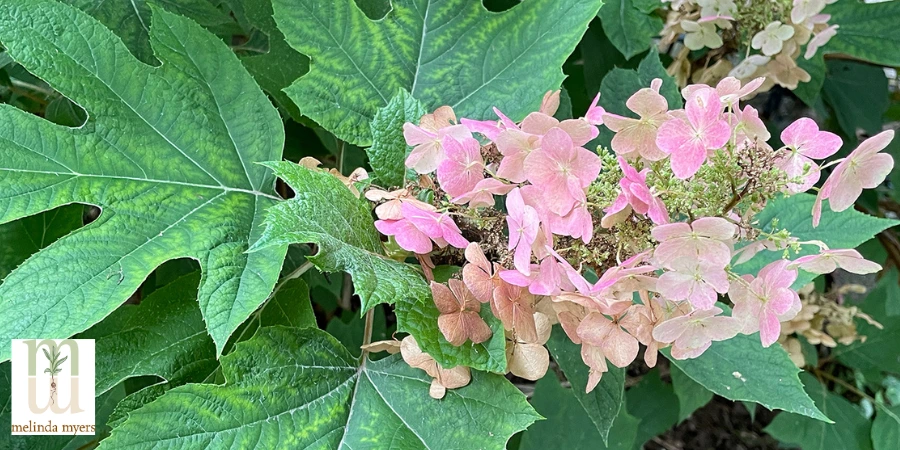
Hydrangea-quercifolia
Oakleaf hydrangea (Hydrangea quercifolia) provides year-round beauty with attractive foliage, fall color, flowers, and orange exfoliating bark during the dormant season. It grows well in full sun to part shade and moist, well-drained soil.
Grow climbing hydrangea (Hydrangea petiolaris) to add a different dimension to your hydrangea collection. It’s root-like holdfasts allows it to cling to rough surfaces. Grow it in full sun or shade with rich, moist, well-drained soil. Be patient as it can take years before the first flowers appear. But the attractive dark green leaves that may turn yellow in fall and the orange exfoliating bark immediately add year-round interest to the garden.
Hydrangea Pruning Guide by Variety
Pruning for maximum bloom is based on when the plants form their flower buds. I know this can seem confusing, but it really is much simpler than it sounds. Check the tag for the botanical name or look up the variety name to determine which hydrangea you are growing, then prune as recommended.
The most common mistake is pruning at the wrong time and eliminating the flowers. Excessive pruning can ruin the plant’s appearance and may result in excessive leaf and stem growth and fewer, if any, flowers.
Annabelle-type hydrangea flowers form on new growth after the stems start leafing out. You can prune them anytime the plants are dormant. I prefer late winter or early spring after the worst of winter weather has passed. This way I can enjoy the dried flowers in the winter garden. Others prune in the fall for a neater and tidier appearance in the winter landscape.
Prune all the stems back to 12 to 15” above the ground. Then, prune half of these stems back to ground level. This will encourage new growth at the base of the plant, and the older stems will help support the new growth, reducing the risk of flopping stems.
You can also prune all the stems back to just a few inches above the soil surface. This is much quicker but may result in more floppy growth.
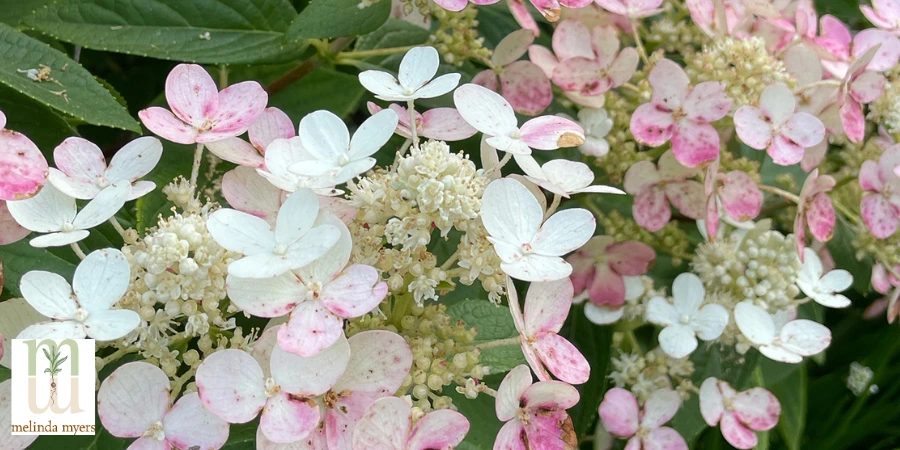
Hydrangea-paniculata-Quickfire
Panicle hydrangeas also flower on new growth and only require minimal pruning. Over-pruning can result in floppy stems. And a misshapen plant. Prune them anytime during the dormant season, starting several weeks after the leaves have dropped until new growth begins in early spring.
Start by removing any thin, spindly, crossing, or damaged branches. Reduce the overall height by no more than one-third. For example, if your plants are 6 feet tall you will remove no more than 2 feet.
Bigleaf hydrangeas are the ones that seem to cause the greatest confusion. They form their flower buds the summer before they open into blossoms.
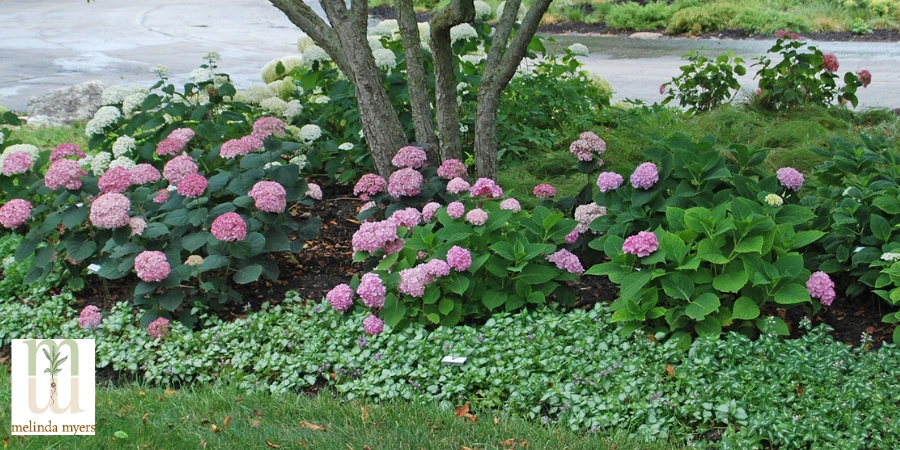
Bigleaf-hydrangea
In spring, just remove any damaged stems back to healthy growth and dead stems back to ground level. This is often all the pruning needed for these types of hydrangeas. Wait until after flowering to do any additional touch-up type pruning, like removing the faded flowers. You can remove up to one-third of the stems to ground level on older plants if needed. Be sure to leave some of the old productive stems and strong new growth, and avoid damaging flower buds that are forming for next year’s floral display.
Those growing big leaf hydrangeas in zones 5 and colder usually have to prune all the stems killed over winter back to ground level. Ground-level pruning of all the stems eliminates the flowers on standard bigleaf hydrangeas and the first set of flowers on repeat-blooming bigleaf hydrangeas that flower on old and new growth. If in doubt, wait to see is any buds swell and cut stems back just above these.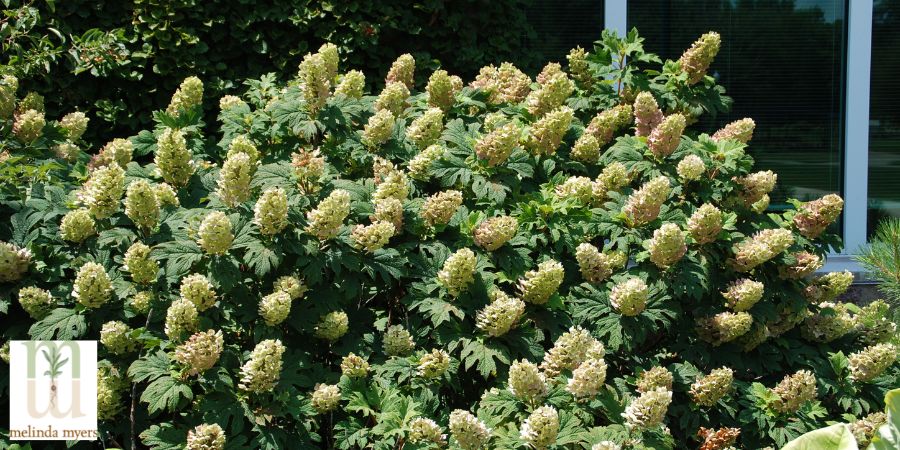
Oakleaf-hydrangea
Oakleaf hydrangeas also form their flowers on stems from the previous season. Fortunately, it needs minimal pruning. Just remove any winter-damaged stems in early spring. Wait until right after flowering if additional pruning is needed to maintain the desired shape.
Climbing hydrangeas are slow growers and need very little pruning except to limit the overall size. Flower buds form during the previous season’s growth, so prune after the flowers fade. Limit pruning to wayward, damaged, or rubbing branches. Make cuts back to a healthy bud or adjoining branch. Avoiding excessive pruning can greatly reduce flowering for several years.
This all sounds more complicated than it really is. Just make a note on your calendar as a reminder of when to prune the various hydrangeas in your landscape. The worst that can happen is you have fewer or no flowers that year. Once you make that mistake it will be easier to remember the proper time to prune all your hydrangeas.