Climate Conscious Gardening
- horticulturist and gardening expertApril 22, 2026
Gardeners are an optimistic group of individuals. Otherwise, we would never plant a garden more than once. Our changing climate of extreme weather conditions has added to the challenge of growing a successful garden. Prolonged periods of excessively high temperatures, drought, floods, and an increase in the number of heavy rainfall events influence the way we garden. Maps and graphics in Cornell Cooperative Extension’s Gardening in a Warming Climate show some of these changes that are occurring throughout the United States.
Impact of Climate Change on Gardens and Us
Another one of the changes you may have noticed is a longer frost-free period when you garden. This has resulted in many plants sprouting and flowering earlier in spring, making them more susceptible to damage by extreme late winter storms.
Ragweed
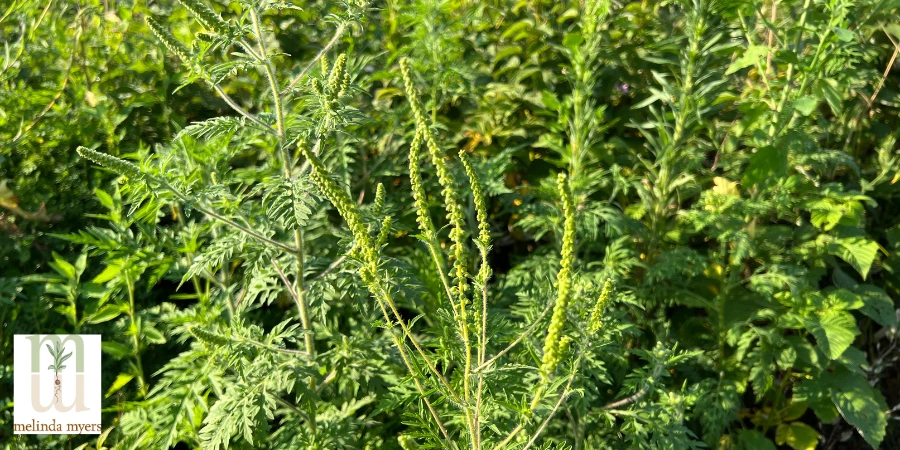
Allergy sufferers, I am one of you, are experiencing the side effects of a longer, more intense growing season. Plants grow more vigorously and produce more pollen as a result. The World Allergy Organization has said that climate change will affect the start, duration, and intensity of the pollen season, and it will increase the impact pollutants and respiratory infections have on asthma.
The change in climate also makes predicting pest and disease problems more difficult, and their impact is greater in gardens and agriculture. Plant-eating insect pests will consume more leaves and develop faster, and short-lived insect pests may live longer, adding to the pressure on our plants.
Climate Conscious Gardening Practices
Gardeners can make a positive impact on climate change by adopting more eco-friendly and sustainable gardening practices. Making these changes can help increase your growing success, potentially reduce ongoing maintenance, and help reverse the accumulation of heat-trapping gases.
Many of you may be employing these strategies already, and others may need to make a few or more changes in their gardening practices. Like any new habit, start small to avoid becoming overwhelmed and continue to adjust over time. Here are a few eco-friendly garden ideas for Earth Day and to use every day in your own garden and landscape.
Preserving and Improving the Soil
Starting at ground level makes a lot of sense since the soil is so important to gardening success. Look for ways to improve the soil and keep it covered year-round.
Mulch and Plants Cover Healthy Soil
Soil forms the important foundation needed to grow a healthy garden. It also stores large amounts of carbon in the form of CO2 (the primary greenhouse gas) and organic matter from living and dead plants, microbes, and animals housed there. Better management of soil can capture and remove greenhouse gas emissions.
When land is cleared, wetlands filled, and soil tilled or left uncovered CO2 is released into the atmosphere. Exposed soil is also subject to erosion and nutrient run-off that pollutes nearby waterways.
Increasing the organic matter in the soil allows rainfall to readily infiltrate the soil reducing the risk of erosion and increases the soil’s water-holding capacity. This helps our gardens as we are experiencing more periods of intense rainfall and droughts.
Spreading a thin layer of compost over the soil surface each year adds organic matter and nutrients to gardens and landscapes. Enlist no-dig methods to minimize the disturbance of the soil that stores large amounts of carbon. You’ll also protect the soil from erosion, add organic matter, and bring fewer weed seeds to the surface when using these methods. That means less weeding for you.
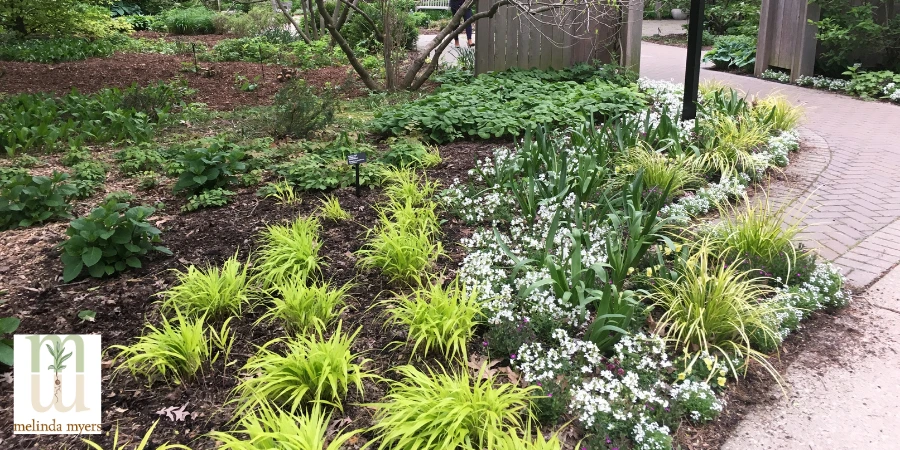
Keeping the soil covered year-round with plants and mulch also protects it from compaction and erosion while helping keep the area surrounding your home cooler. Naturally cooling the space around your house helps reduce the need for air conditioning and reduces energy use.
Grow perennials and fill vacant annual vegetable and flower gardens with cover crops to keep the soil covered and filled with roots year-round. The roots provide pathways for water to enter the soil instead of running off the surface into nearby waterways and storm sewers. The roots, along with the soil, help remove dust and pollutants from the water before it enters the groundwater. Plant roots also leak sugars and other compounds that support soil microbes important for building healthy soil. As the old roots die, they add organic matter to the soil. All this helps create healthy carbon-storing soil that supports flourishing plant growth.
Using these strategies to build healthy soil reduces the need for synthetic fertilizers. Always start with a soil test when you feel your plants need a nutrient boost. The test results will tell you what, if any, and how much fertilizer is needed.
Milorganite Fertilizer
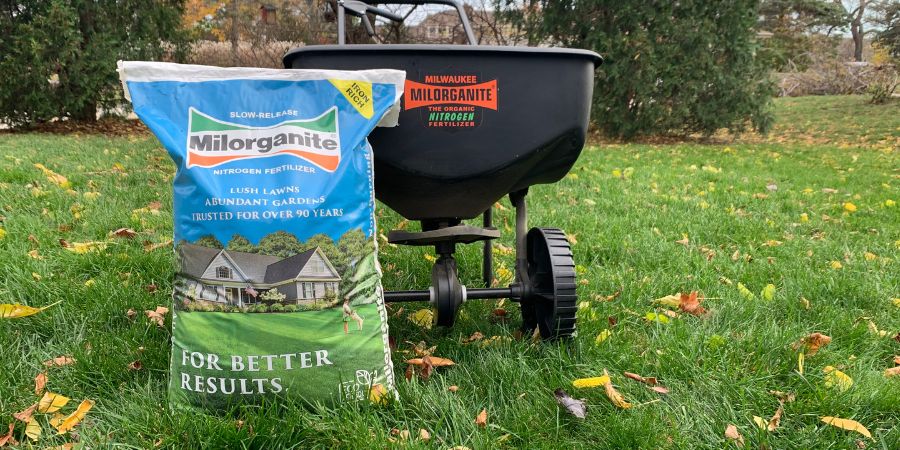
When fertilizer is needed, consider using Milorganite, a recycled product that contains 85% organic matter and has been around for 100 years. Microbes are used to digest the nutrients in the water at the Milwaukee Metropolitan Sewerage District’s (MMSD) wastewater treatment plant. These microbes are kiln-dried into small pellets and tested daily and weekly. Milorganite has consistently met the EPA’s Exceptional Quality criteria since 1993, when the guidelines were created. MMSD converts a waste product into fertilizer and uses methane gas from a nearby landfill to reduce the use of fossil fuels for the drying process.
Make Your Own Compost
Turn plant-based food scraps, plant trimmings, and fall leaves into compost. You’ll save money by creating your own soil amendment and reducing the need for synthetic fertilizers. Turning garden trimmings and food scraps into compost instead of adding them to the landfill helps reduce methane and other greenhouse gases emitted from the landfill.
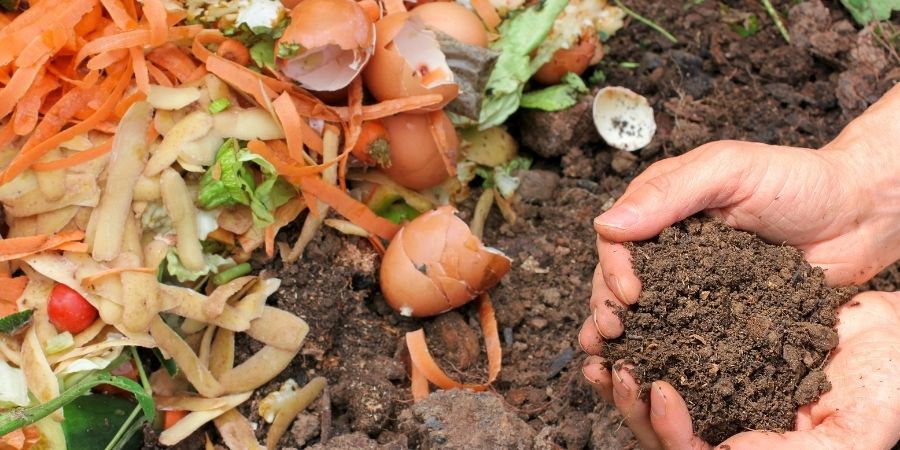
Compost Pile
Always check with your municipality before starting a compost pile. Some communities have regulations relating to composting while others offer rebates or compost bins at a discounted price. Do not compost meat, fat or bones that can attract rodents and introduce pathogens. Use plant trimmings free of insect pests and diseases and avoid perennial weeds, invasive plants or weeds gone to seed unless you are actively composting. Monitor and make sure the compost reaches 140ºF (60ºC) when introducing these types of garden trimmings into your compost pile.
Grow Plants that Help the Environment
Grow a variety of plants suited to the growing conditions in your gardens and landscape. A diverse group of plants supports a healthy soil ecosystem that is better able to store carbon and promote healthy, productive plant growth. This diversity also attracts and supports a range of beneficial insects, including those that help manage pests and pollinate our plants.
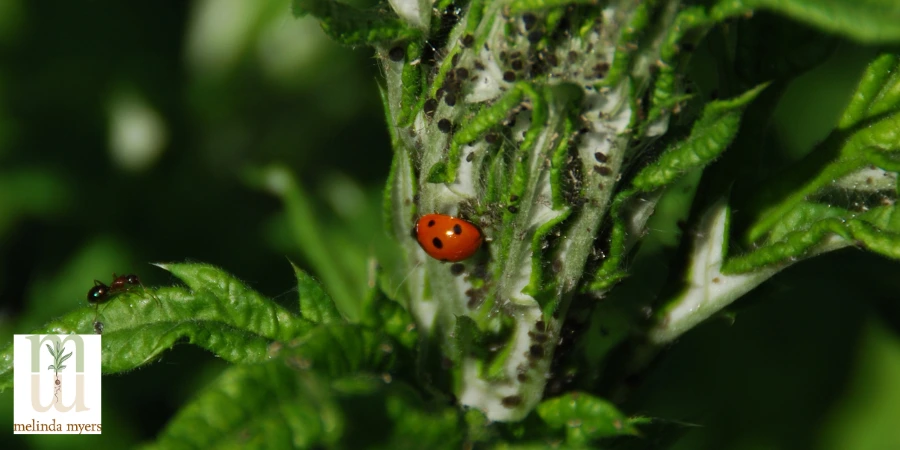
Ladybeetles help manage pests
Select plants that are best able to tolerate the extreme heat and cold, as well as the wet and drought conditions we are experiencing with climate change. Consult your local University Extension Service for plants best suited to your region.
Grow edible plants to boost your food’s flavor and nutritional value and to be more climate-friendly. Food travels an average of nearly 1500 miles from the farm to the grocery store and, eventually, our homes. Lots of fossil fuels are used in the growing, packaging, and transport of these items. The more food we grow the less we contribute to carbon emissions. Rotate your plantings as best you can to help maintain soil health while reducing insect and disease problems in the garden.
If space is limited, grow a few of your favorite vegetables in containers on your steps, balcony, patio, or deck. You’ll enjoy the convenience, flavor, and a boost in your spirits when growing some of your own food. Supplement what you grow by shopping at a nearby farmer’s market. Supporting local agriculture is also good for the environment by reducing miles the food travels and packaging waste while promoting biodiversity and farmland preservation.
Keep Invasive Plants Out of Your Landscape
Avoid invasive plants that leave our gardens and invade nearby natural spaces. These bullies outcompete native plants, disrupting the natural ecosystem that wildlife depends upon. According to the North American Invasive Species Management Association, “ Invasive species can negatively impact climate change mitigation efforts in many North American ecosystems. Invasive tree pests reduce carbon sequestration rates in forests. Aquatic invasives decrease the resilience of green infrastructure to resist flooding and sea-level rise. Aquatic invasive species can also increase the temperatures, which negatively influences the hydrologic cycle. Invaded rangeland and forested habitats can release more carbon into the atmosphere through more severe uncontrolled fire. Invasive vegetation can reduce water flows in streams already struggling with lower water levels due to persistent drought.”
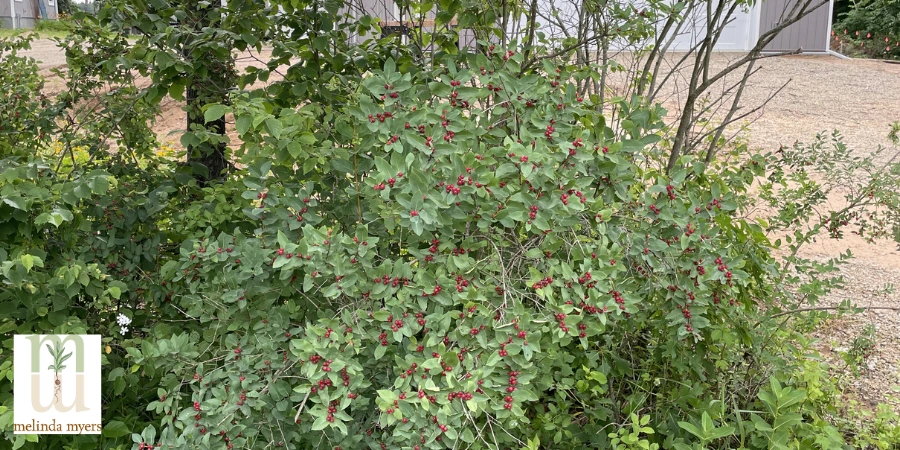
Invasive Honeysuckle
Managing invasive plants is also good for the health of gardeners and others who enjoy the outdoors. Invasive barberry and honeysuckle create the perfect habitat for disease-carrying ticks. A collaborative research project found a 10 times higher rate of human disease-causing bacteria-infected ticks in honeysuckle-infested areas.
Water Wise and Drought Tolerant Gardening
Too much or not enough water when needed is becoming a greater challenge for our gardens, landscapes, and communities. Managing stormwater that falls on our yards and the wise use of water in our gardens and landscapes are important, no matter where you live.
Preserving and improving the soil is an excellent place to start. Using compost to improve drainage in poorly drained soils and increase the water-holding ability in fast-draining soils is part of the solution.
As always, select plants that grow and thrive in the growing conditions, including the average seasonal rainfall. Drought-tolerant plants are better able to survive extended dry periods once established. Use plants native to areas that experience flooding and are recommended for rain gardens for wet areas in your landscape.
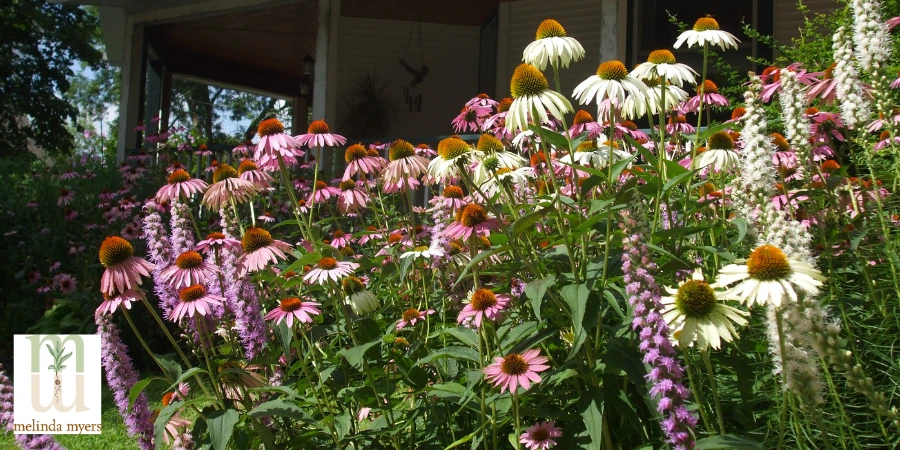
Native Wisconsin Rain Garden Plants
Look for plants listed as low maintenance, drought-tolerant, or water-wise, as these typically need less frequent watering. Most plant tags, catalog descriptions, and signs in the garden center also talk about the water needs of individual plants.
Consult local experts and resources from your state’s University Extension Service, nature centers, botanic gardens and arboreta that offer lists of plants suited to the local climate. Visit nearby public gardens and attend garden walks to observe how plants perform in your area.
Arrange plants based on water needs, hydrozones, as well as aesthetics. Placing plants with similar water needs means you can water more efficiently, saving time and using less water. You are also more likely to provide the right amount of water when plants with similar water needs are grouped together.
Provide all new plantings, including drought-tolerant ones, with consistent moisture as they become established. Water plants thoroughly, moistening the root ball and surrounding soil. Once established, continue to water thoroughly but less frequently. The robust root system that develops allows the plant to find and absorb water from a larger area, making it more drought-resistant.
Mulch the soil surface to conserve moisture, moderate soil temperature, suppress weeds, and reduce the risk of erosion. Organic mulches like shredded leaves, evergreen needles, and shredded bark work well for most plants. As these decompose, they help improve the soil adding organic matter and nutrients.
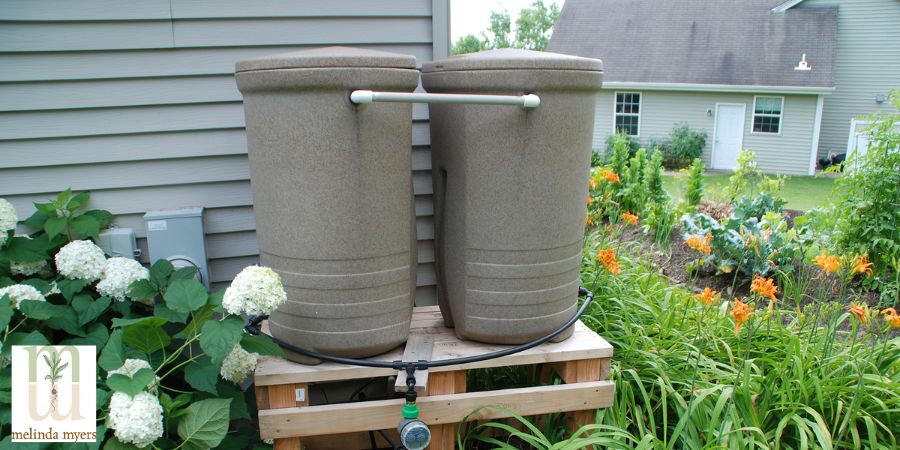
Rain barrels
Use rain barrels to capture rainwater that drains off the roof. Check with your local municipality, as many have regulations about rainwater harvesting, while others offer rebates or rain barrels at a discounted price. Use rainwater collected in rain barrels for watering ornamental gardens and containers.
Create rain gardens to capture stormwater runoff from hard surfaces and the lawn before reaching the storm sewer. Storm water collected in properly designed raingardens drains within 24 to 36 hours. Much of the dust and impurities are removed as the water passes by plant roots and through the soil before recharging the groundwater.
Manage Lawns in a Climate-friendly Manner
Lawns are a major part of many landscapes. They do absorb and temporarily store carbon, but some is released back into the atmosphere. Some of the climate benefits lawns provide may be undermined by the emissions related to equipment, synthetic fertilizer use, and generous watering.
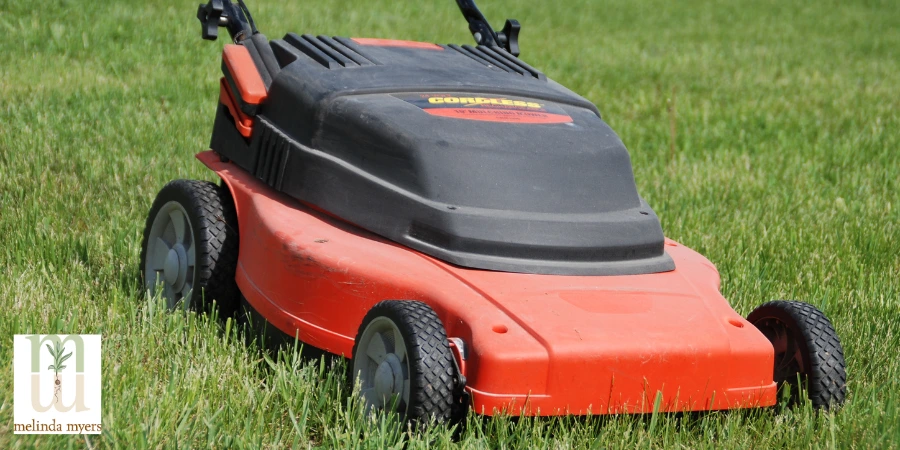
Electric lawnmower
Reducing the amount of lawn and growing less energy-consuming alternatives are options many gardeners are enlisting. When growing a lawn, consider ways to make it more climate-friendly. Mow high to encourage deeper roots and healthier plants that are better able to outcompete the weeds and are more drought-tolerant and pest-resistant. Make sure the mower blades are sharp. You’ll be able to mow faster and use up to 22% less fuel, and your lawn will use up top 30% less water.
Leave grass clippings on the lawn to return moisture and nutrients to the soil. A season’s worth of clippings is equal to one fertilization. Don’t rake fall leaves off the lawn, but rather mow them in place. As long as you can see the grass blades, the lawn will be fine. These small leaf pieces break down adding organic matter and nutrients to the soil. Use compost to improve the soil and fertilize the lawn. A quarter inch of compost spread over the soil surface provides 2 pounds of nitrogen per 1000 square feet.
Use water wisely when growing a lawn. Select more drought-tolerant grasses and allow the lawn to go dormant during hot, dry weather. Yes, you will have more weeds, but you will use less water, and a dormant lawn is carbon neutral.
Further Reduce Your Carbon Footprint
Choose low-emission equipment when investing in replacements or new products. Gas-powered garden equipment is a major emitter of CO2. Consider hand and battery-powered options whenever possible. Keep all your equipment serviced and running efficiently.
Emissions also come from unexpected sources such as fossil fuel-based fertilizers, pesticides, and peat-based potting mixes. Avoid fuel-based pesticides and peat-based potting mixes, and use, or better yet, create your own compost to reduce CO2 emissions further.
Skip or minimize the use of pesticides when managing weeds, insect pests, and diseases. Instead, work with nature to manage problems in the garden. Tolerate some damage and wait for predatory insects like lady beetles, green lace wings, and songbirds to eat and manage the problem for you. And if intervention is needed, look for eco-friendly options like hand removal, a strong blast of water, traps, barriers, and sanitation. Over time you will encounter fewer problems when working in concert with nature.
Start by evaluating your current gardening practices. Look for ways to be more climate-friendly Earth Day and every day when managing your gardens and landscapes. Together we can make a difference.