Milorganite Blog: Green and Growing.
Mar 20, 2019, 10:00 AM
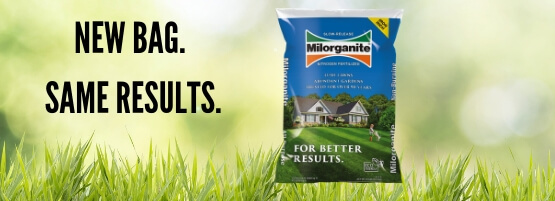
The nutrients in Milorganite have increased and now 32 lb of Milorganite provides the same effectiveness and coverage as the previous 36 lb bag.

Jul 15, 2018, 4:00 PM
Thank you for every submission in the 2018 spring Milorganite bag contest. The winner is...
Jul 14, 2018, 10:00 AM
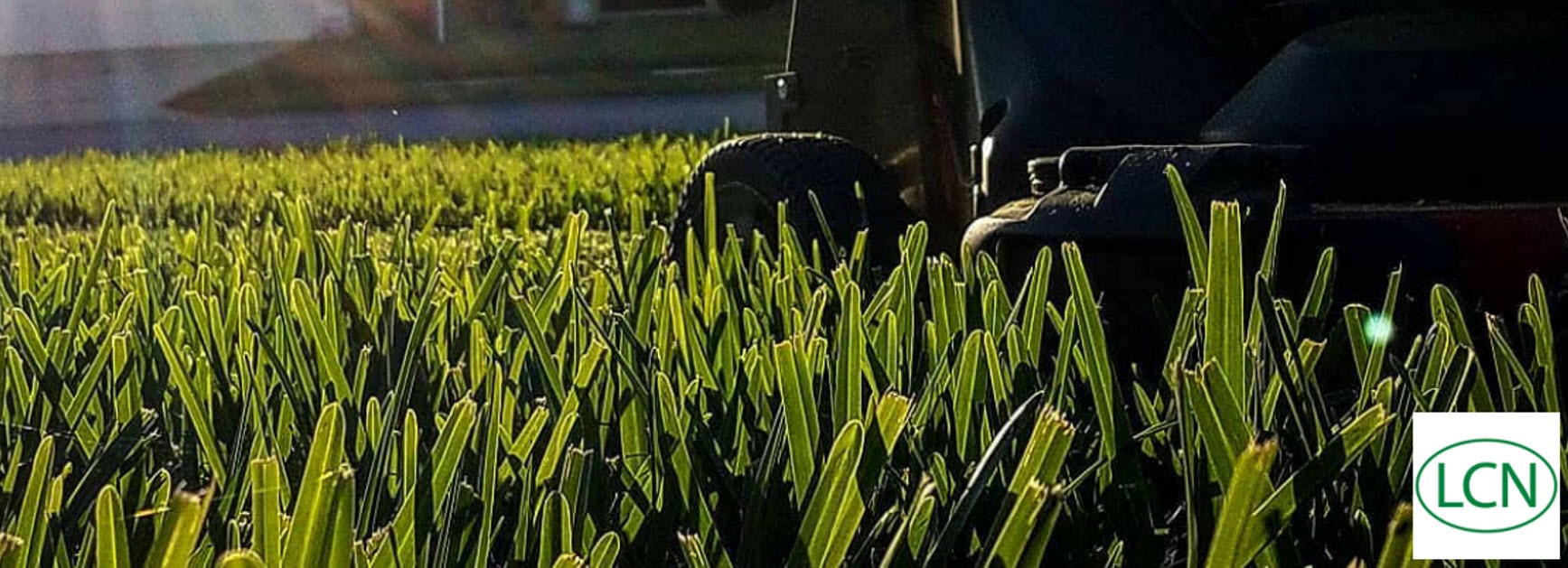
Learn tips to keep your lawn looking green and lush this summer with proper mowing, watering, and weed control. And what do in late summer to prepare for early fall…
May 12, 2018, 11:00 AM
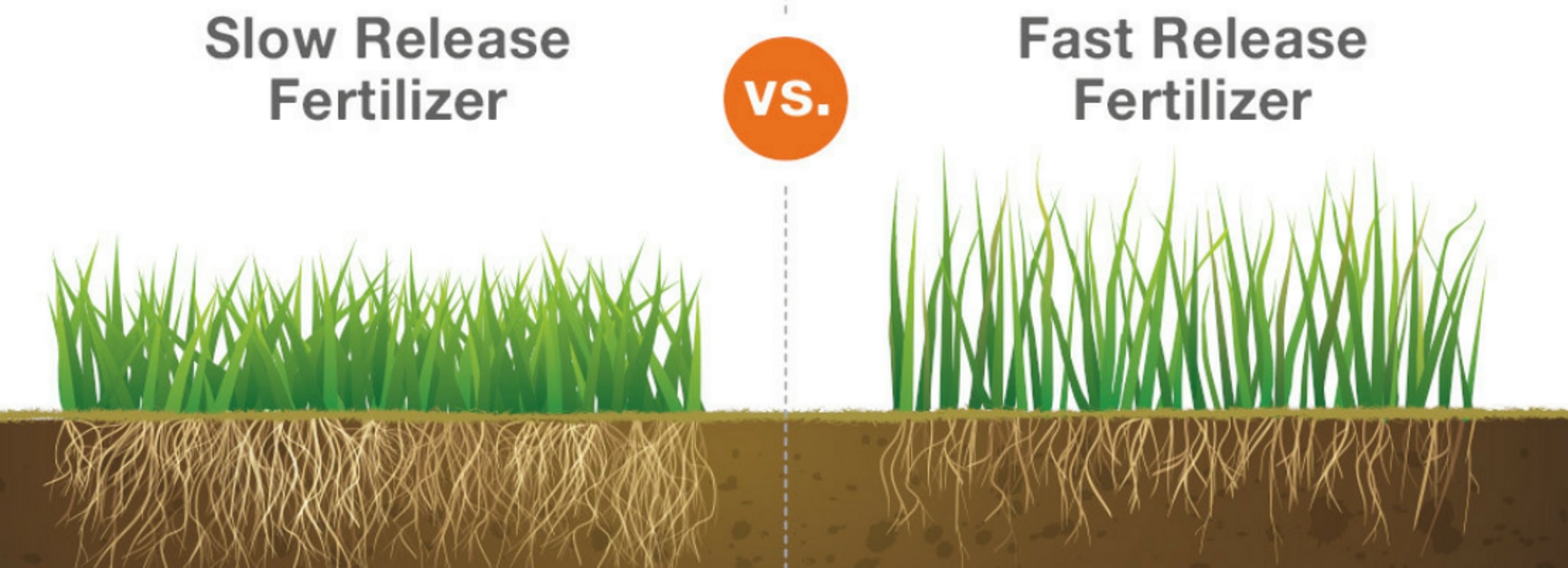
Slow and quick-release fertilizers provide nutrients to lawns. How they’re derived and delivered, and the benefits of each differ. Which is right for your lawn?

Feb 7, 2018, 9:00 PM
The nutrient analysis of Milorganite varies, as reflected in the updated N–P–K and iron analysis. Name change: “Slow-release” now replaces “organic” nitrogen.
Jan 13, 2018, 12:00 PM
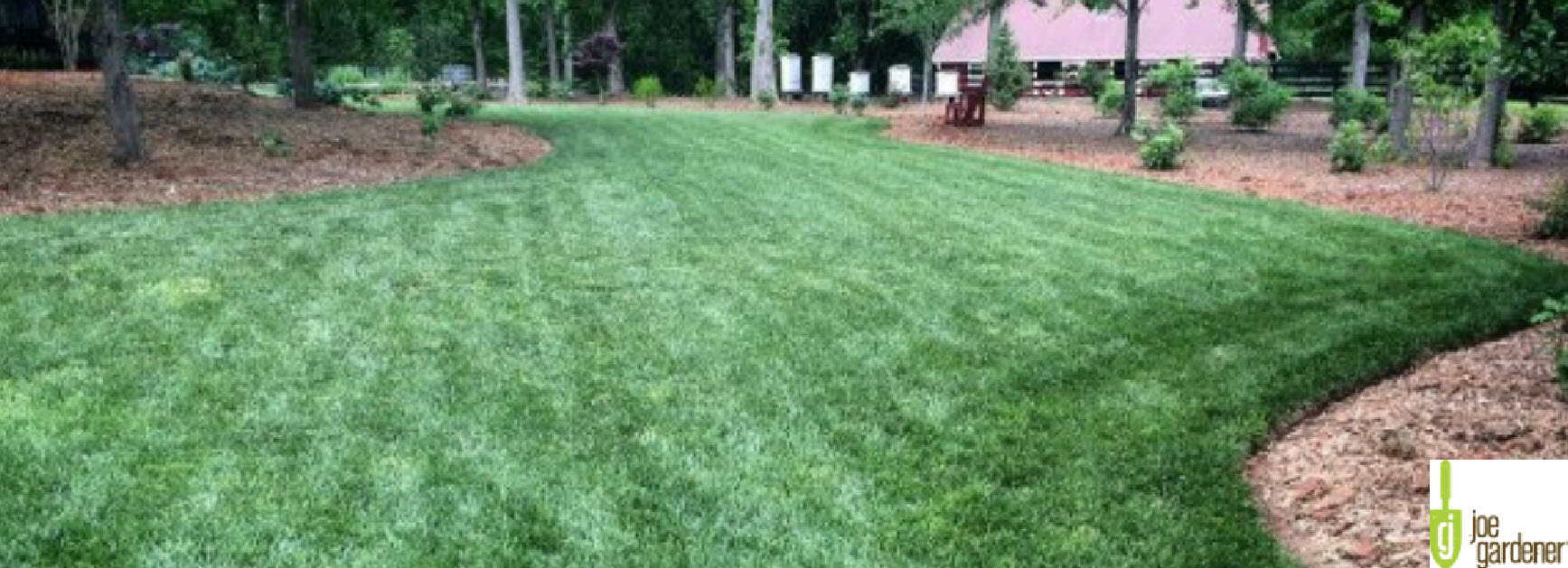
To keep your lawn looking great with natural methods, try these steps to rehabilitate your lawn.
Dec 4, 2017, 4:00 PM
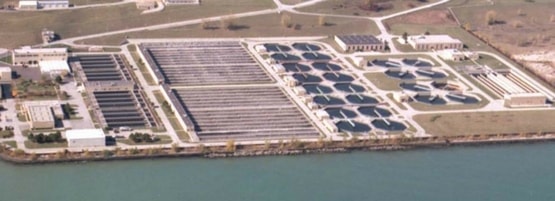
Take a tour of the Milorganite plant and lab with Joe Lamp'l from Growing a Greener World. Learn what exactly is Milorganite, how is it made, and is it safe?

Nov 18, 2017, 12:00 PM
Act now to protect your landscape from animal damage. Here are three tactics to enlist in the battle against wildlife damaging your plants.
Jul 3, 2017, 3:00 PM
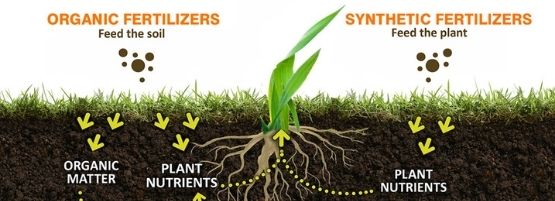
There are pros and cons to fertilizers derived from organic and synthetic sources. Homeowners can make the best decision for their yard with a simple comparison.