The Low-Input Path to a Healthier Lawn
- Gardening Expert and Host of Growing a Greener World®May 23, 2026
When it comes to our yards, a healthy lawn is often a given in the overall landscape and a sense of pride. For others, it’s a necessary compromise. It’s not the food garden, the pollinator border, or the native meadow we’d rather be tending — but it’s there, connecting the beds, softening the hardscape, a play area for the kids, and a place to walk the dog.
To be sure, having your lawn look like a golf course is still the goal for many. But consider all the work in trying to achieve that, not to mention the chemicals and resources.
What if instead, we endeavored to make our lawn genuinely healthy with far less fuss, far fewer inputs, and a lot more trust in natural processes?
The good news is that a truly resilient lawn requires less from you than you might think. It’s just a simpler and less intensive approach.
Mow Less, Grow Denser
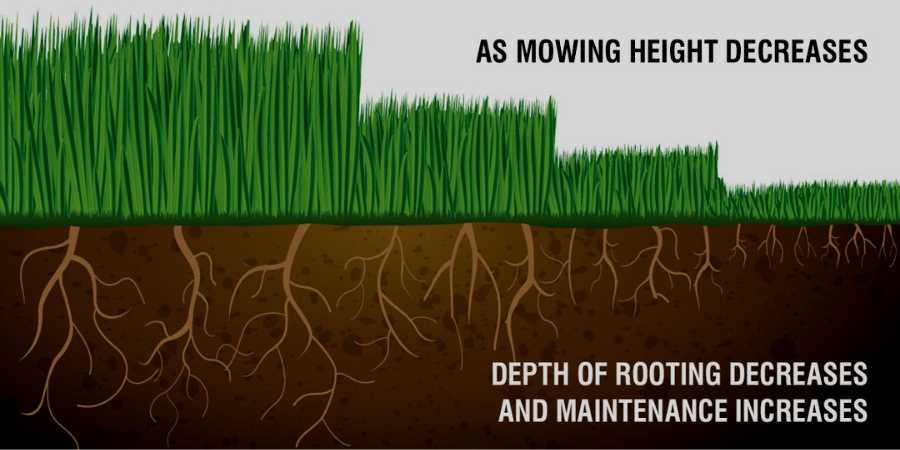
Here’s something the lawn care industry doesn’t advertise: mowing less frequently is one of the best things you can do for turf health. When you allow grass to grow a bit taller before cutting and never remove more than a third of the blade at once, you’re encouraging deeper root systems and a denser canopy.
That density does your weed management for you. Thick, established turf shades the soil surface, preventing sun-loving weed seeds from germinating and outcompeting interlopers for soil nutrients before they even get started.
A lawn that’s constantly scalped, on the other hand, is essentially an open invitation for crabgrass and dandelions to move in and stay.
Set your mower height higher. Mow when the grass tells you to, not because it’s Saturday.
Water Deeper, Water Less
Frequent, shallow watering is one of the most counterproductive habits in conventional lawn care. It keeps roots lazy and near the surface, making turf perpetually dependent on you and highly vulnerable during any dry stretch.
The better approach is to water deeply and infrequently, soaking the soil to a depth of 6 inches or more. Then, let it dry out before watering again. With water no longer constantly near the surface, roots chase moisture downward, building a deep, drought-tolerant root system that can sustain the lawn through heat and dry spells on its own.
It also conserves a significant amount of water over the course of a season. That lush, brilliant-green lawn you see in advertisements? It’s almost certainly being watered daily and given a junk food diet of synthetic fertilizers. That’s not turf health — that’s dependency. Deep, infrequent watering builds actual resilience.
Open Up the Soil with Annual Aeration
Compacted soil is the silent enemy of lawn health. When soil particles are packed tightly, air, water, and nutrients can’t penetrate to the root zone, and roots can’t expand.
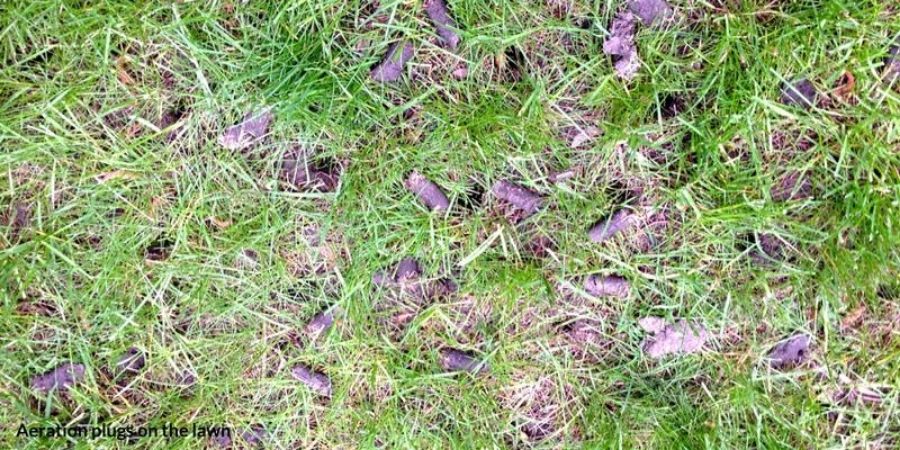
A core aerator (you can rent one) passing over your lawn once a year, ideally in early fall for cool-season grasses or late spring for warm-season varieties, physically opens the soil profile. Those small cores pulled from the ground allow the lawn to breathe, water to infiltrate rather than run off, and roots to push into new territory. It’s a single afternoon of work that pays dividends for the entire season.
Top-dress with Compost
Immediately after aerating is the ideal time for another high-return, low-effort practice: a light topdressing of finished compost. A half-inch or so of raking or dragging across the surface introduces organic matter, beneficial microbiology, and slow-release nutrition directly where the lawn needs it most.
Over time, this practice builds genuine soil health-the key to improving structure, water retention, and biological activity, rather than simply masking deficiencies with synthetic inputs.
If You Fertilize, Feed Slowly and Organically
Synthetic fertilizers offer a quick green-up by delivering a concentrated hit of soluble nutrients — most of which run off before the lawn can fully use them. Slow-release, organically derived fertilizers (think Milorganite, feather meal, composted poultry litter, or kelp-based blends) feed the soil gradually, in a form that mirrors how nutrients actually move through healthy ecosystems.
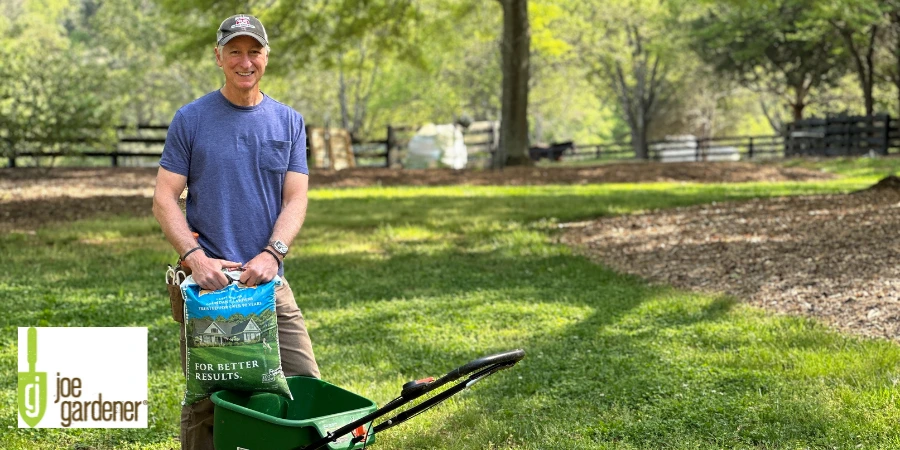
The results may be less dramatic overnight, but the lawn builds genuine health rather than a synthetic crutch. One or two applications a year, properly timed, is often plenty when paired with compost topdressing.
A Healthier Path to a Better Outcome
The through-line in all of this is the same principle that guides organic food gardening: build the system, and the system takes care of the plants. Less intervention, more observation. Less dependency, more resilience. Your lawn doesn’t need to be your highest-maintenance garden space — it just needs a better foundation to stand on its own.