How to Create a Garden for Pollinators
- horticulturist and gardening expertAugust 1, 2026
As you plant and tend your gardens, enjoy the beauty of your landscape or sit down to a delicious meal, thank the bees, butterflies, and other pollinators. These essential members of our ecosystem are responsible for much of the food and beauty we enjoy each day.
Unfortunately, their populations are declining, and their existence is threatened due to pesticides, the spread of disease and parasites, and habitat loss. There is something we all can do to help. Turn your garden, backyard or balcony into a pollinator’s paradise and enjoy the many benefits your pollinator gardens and their visitors provide.
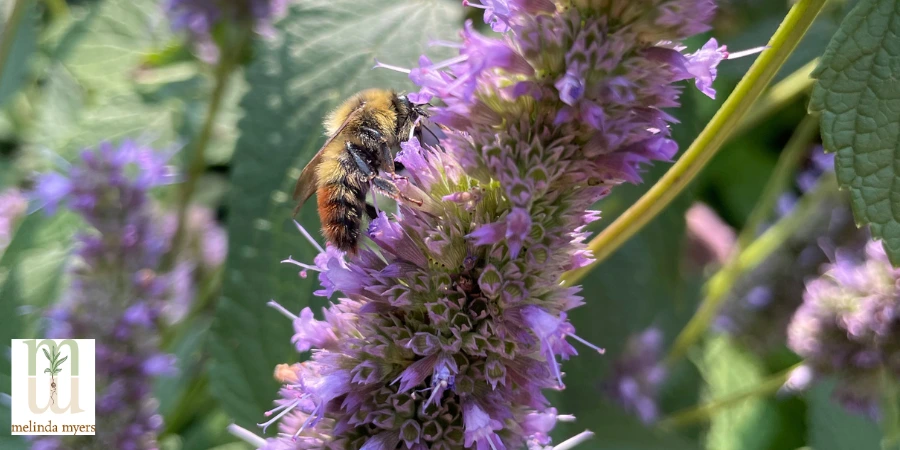
Attract and support pollinators by providing them with food, water, shelter and a place to raise their young. Include a variety of day and night blooming flowers in a variety of colors and shapes to support the widest range of pollinators and provide nectar and pollen throughout the growing season.
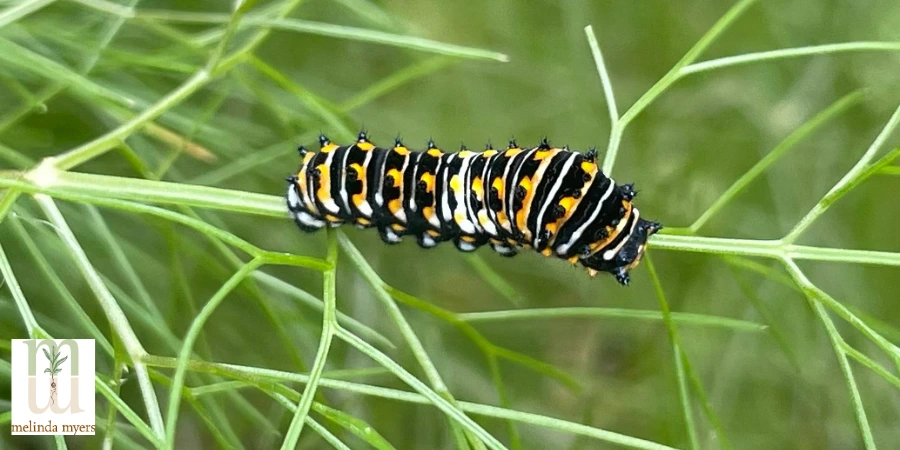
Grow trees, shrubs, milkweed, parsley, dill, and other plants that caterpillars, grubs, and the immature stage of other pollinators need to feed upon. Plant pollinator-favorite plants in large groupings allowing them to efficiently forage for food. And don’t let a lack of space stop you from planting for pollinators; even a small patch or window box of flowers and herbs can help.
Keep your plants healthy and blooming with proper care. Match the plants to the growing conditions, provide needed water, and fertilize with low-nitrogen slow-release Milorganite® when needed. You’ll promote balanced above and below ground growth that is less susceptible to drought and pests. Plus, this slow-release low-nitrogen fertilizer won’t interfere with flowering, essential to the health and well-being of our pollinators.
Add puddles, fountains, and birdbaths to your gardens. You’ll enjoy the winged visitors these features attract, and the pollinators will appreciate the water. Include water features with sloping sides or add a few stones to create easier access for visitors seeking a refreshing drink. Create a damp spot in a vacant space in a garden bed. Sink a shallow container of sand in the ground. Keep it damp and add a pinch of sea salt for the butterflies and bees to lap up the minerals and water. Even those with limited space can create a safe space for pollinators to stop and take a drink. Set a clean natural sponge in a shallow dish of water. Add enough fresh water to saturate the sponge leaving the upper surface wet and accessible for insects to land upon and take a drink.
Provide pollinators with shelter from predators and the weather. Include a variety of trees, shrubs, and perennials. Design multiple layers of plants to provide protective cover for a variety of insects. Leave dead branches and downed tree trunks in place if they do not create a hazard or if this practice is prohibited by your homeowner association, neighborhood, or community. These provide homes for native bees and other pollinators that nest in holes and cavities in trees.
Leave patches of open well-drained soil for ground-nesting native bees. Select a sunny spot away from activities to avoid disturbing the bees and conflict with people. Plant and mulch areas near your home to encourage ground-nesting bees to set up their residence elsewhere in a more appropriate space. Use leaf litter as a mulch in the garden and to shelter the butterflies, queen bumblebees, and other pollinating insects that call this layer home.
You may choose to supplement natural shelter with commercial or homemade nesting boxes. You’ll find do-it-yourself plans on the internet from various educational sources. Select the right size and type of nesting box for the bees you want to support. Keep them safe and healthy with clean nesting boxes and proper year-round care.
Keep healthy perennials standing in the garden for winter. Many beneficial insects use their hollow stems as winter homes. Wait for temperatures to hover around 50 degrees before cutting them back in spring. If you can’t wait, stack the stems out of sight to allow the hibernating insects time to exit.
When cutting back perennials in spring, leave some stems 8 to 18” tall. Some native bees use these for summer homes. The new plant growth will mask the dead stems that eventually decompose adding nutrients and organic matter to the soil.
Most importantly, put away the pesticides that can harm the insects you are trying to attract. Tolerate a few holes in the leaves and watch for nature to intervene. Look for predatory insects like lady beetles and green lacewings, insect-eating songbirds and parasitic insects to move in and help you manage the problem. With a diversity of plants, it is easier to overlook the temporary leaf damage on a few plants.
Best Pollinator Plants
As always, select plants suited to the growing conditions and those that will fit the available space once mature. Keep flower colors, shapes, and bloom times in mind when selecting plants. Native plants are always a good choice as they have evolved with these pollinators, but many herbs and cultivated plants have been found to support them as well.
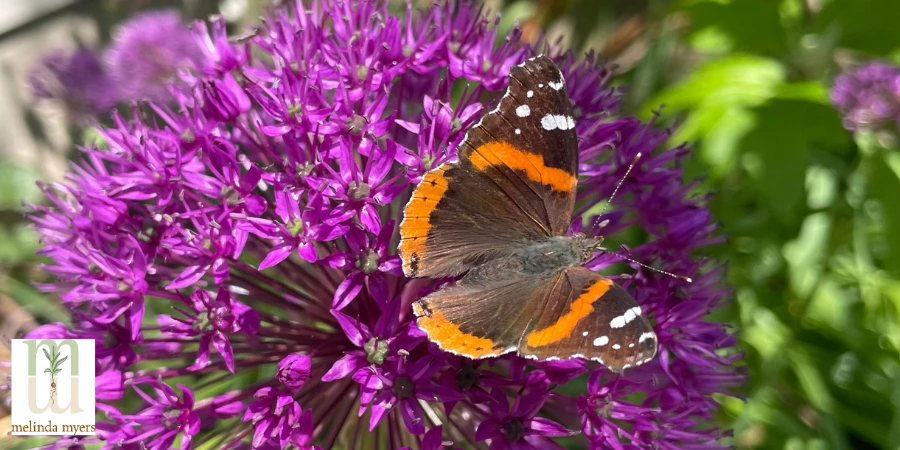
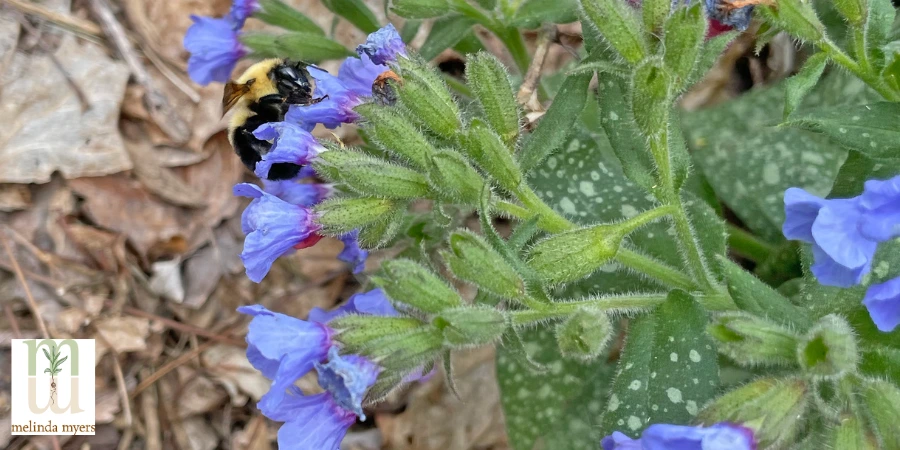
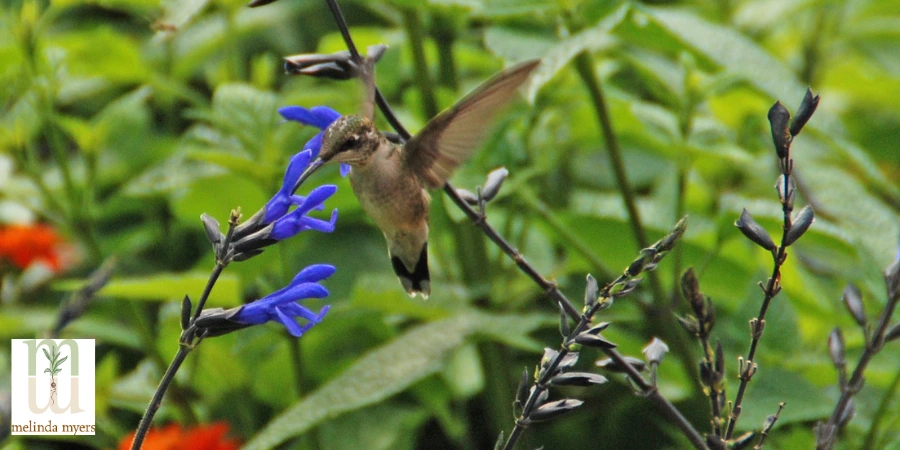
Add brightly colored tubular flowers to bring in the butterflies. Attract moths with pale or white sweet-smelling flowers. Provide night-flowering plants for those that dine at night. Include white, yellow, blue, and UV colored flowers for the bees. Don’t forget the often-overlooked pollinators like beetles attracted to dull white and green blossoms and flies that prefer those shady moist spots with pale and dull purple or dark brown blooms. Hummingbirds and Baltimore orioles are also pollinators attracted to high-energy flowers of various colors, often seen at red and purple blooms.
Keep track of pollinators visiting your gardens and the plants they frequent. Add more of these as time and space allows. Contact your local nature center, botanic garden, arboretum, and university extension service for lists of native and cultivated plants that attract and support pollinators. They can help you select additional plants best suited to your growing conditions.
Other Pollinator Friendly Garden Ideas
Keep your plants healthy and regularly monitor your gardens for insect pests and nature’s predators to intercede. When pest populations rise and you decide to intervene, use the most eco-friendly methods available. A strong blast of water can help dislodge and reduce the populations of plant-damaging mites and aphids. Hand picking, vacuuming or knocking problem insects into a can of soapy water is also a great way to manage the problems without harming the pollinators.
Consider enlisting companion planting strategies when designing future gardens. University research is finding partnerships that have been proven successful at reducing pest problems.
Enlist the help of barriers and traps aimed at specific insects. Netting or floating row covers can prevent some plant-damaging insects from reaching your plants and causing damage. Just be sure pollinators can reach the flowers of those plants that require fertilization to fruit.
Maximize your efforts by teaming up with your neighbors. Together you can create a larger, more diverse habitat that provides pollinators with the resources they need to thrive.
Your efforts will be rewarded with greater harvests, beautiful flowers and colorful birds and butterflies visiting your gardens.