
How to Reduce Lawn Stress During Drought and Heat Waves
- Gardening Expert and Host of Growing a Greener World®July 25, 2026
Summer heat and dry spells are inevitable, but a stressed-out, crispy lawn doesn't have to be. The good news is that a few smart adjustments to how you mow, water, and feed can make the difference between a lawn that limps through August and one that bounces back strong. Here's how to build real drought resilience into your lawn care routine.
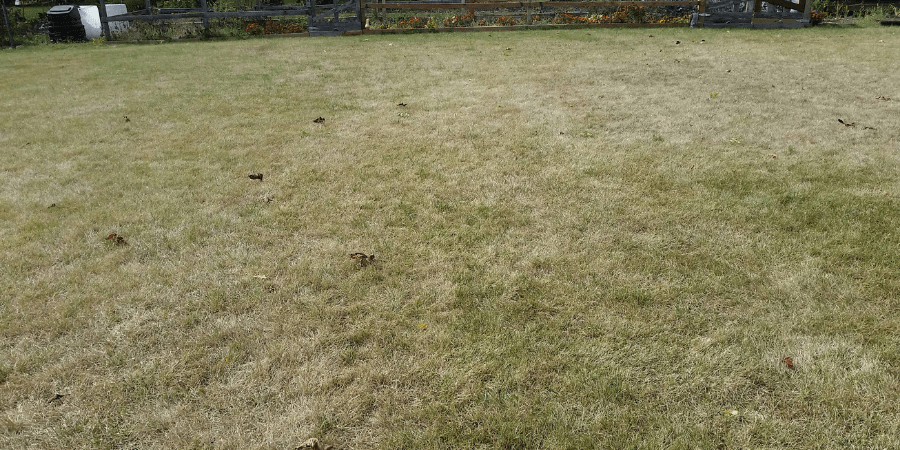
Mow High, Mow Less
Ideally, before things heat up, raise your mower deck to the top of your grass type's preferred height range. Taller grass blades act like a living mulch, shading the soil surface and slowing down evaporation. Less exposed soil means less moisture lost to the sun, and that's water your roots can actually use.
While you're at it, mow less often. It sounds counterintuitive, since cutting the grass feels like basic maintenance, but every mowing pass is a small stress event for your lawn. When your grass is already fighting drought or heat, piling on unnecessary mowing stress just makes recovery harder. Let the grass grow a little longer between cuts and give it a break.
Let Your Clippings Do Some Work
Whenever possible, use a mulching mower and let the clippings fall back into the lawn instead of bagging them. Clippings add a light layer of cover that helps hold moisture near the soil surface, and as they break down, they return organic matter and nutrients to the soil. Over time, that organic matter also improves the soil's water-holding capacity, so you're getting more mileage out of every watering.
Water Deep, Not Often
This is the big one, and it's the step most people get backward. It's tempting to give your lawn a quick sprinkle every day when things get dry, but short, frequent watering rarely penetrates past the top inch or two of soil. Most of that water evaporates before it ever reaches the roots.
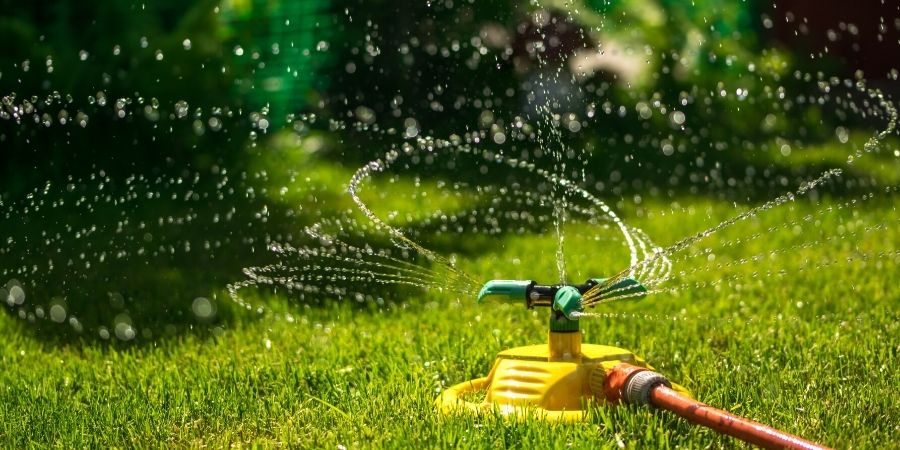
Instead, water deeply and infrequently. Longer, less frequent watering sessions draw moisture further down into the soil profile, which encourages roots to grow deeper in search of it. Deeper roots mean a more drought-tolerant lawn overall. It takes a little patience and a mindset shift, but it's one of the most effective things you can do.
Timing Matters More Than You Think
When you water matters almost as much as how you water. Skip the midday watering session. Watering under the hot afternoon sun means more than half your water can evaporate before it ever reaches the ground. Instead, water early in the morning, during the natural dew cycle. Cooler temperatures, less wind, and lower evaporation rates mean the water you apply actually gets where it needs to go.
Feed for Resilience, Not a Quick Fix
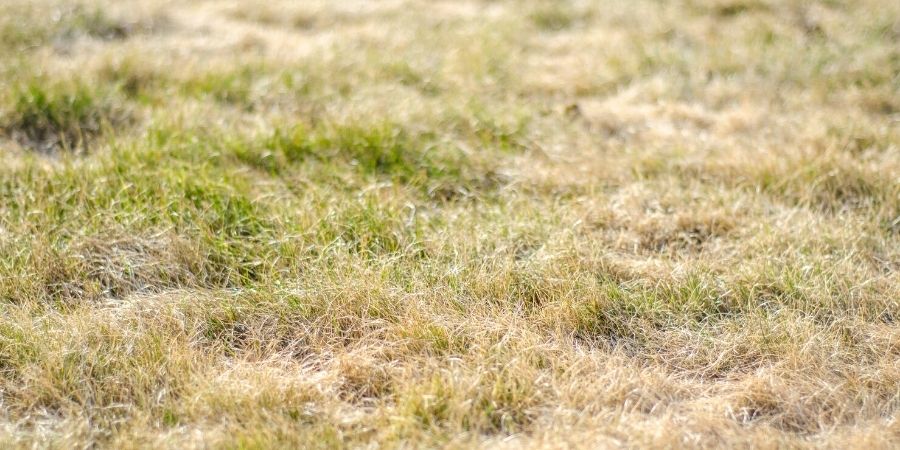
Building a drought-tolerant lawn also comes down to how you feed it. Skip the high-dose, fast-release fertilizers that push rapid top growth. That kind of growth spike is counterproductive when your lawn needs to be conserving energy and building resilience, not sprinting.
Instead, look for a slow-release, non-burning fertilizer like Milorganite. If you've got compost on hand, that's a great natural option. If you're shopping for a product, Milorganite is a solid fit here. It's a slow-feed source of nitrogen and iron that gently builds vigor over time rather than forcing a quick burst of growth.
Timing is just as important as the product you choose. The best time to fertilize is before stress conditions hit, not after. Think of it as conditioning rather than a rescue attempt. A lawn that's been steadily nourished ahead of a heat wave or dry spell is simply better equipped to handle it than one that gets a reactive feeding once it's already struggling.
The Bottom Line
Drought and heat stress are part of every lawn care season, but how your lawn handles them comes down to the habits you build before and during the tough stretches. Mow high and mow less, let your clippings feed the soil, water deep and early, and feed your lawn ahead of stress rather than in response to it. Put these together, and you're not just getting your lawn through summer; you're building a lawn that's tougher every year that follows.