
6 Signs It’s Time to Replace Your Lawn, Not Repair It
- Milorganite AgronomistAugust 22, 2026
Every lawn periodically needs special attention. A small bare patch here, a hole there, and that soggy spot out back. That’s normal and can be easily fixed. If you’re doing everything right—watering, fertilizing, and mowing—and the improvements are minimal or non-existent, and large areas of your lawn continue to decline, it may be time for a fresh start. Establishing a lawn from scratch provides a clean slate to address underlying issues such as grading and soil health.
Here are six signs it’s time to replace your lawn:
1. Weeds Are Winning the Battle (50-60% of Your Yard)
A few weeds in your lawn are normal and can easily be removed by hand-pulling or spot-treating with a selective herbicide. But if your lawn is dominated by 50% or more weeds than grass, it’s time to start your lawn from scratch.
A weed-dominated lawn indicates the turf is too weak to compete with weeds and likely poor soil health.
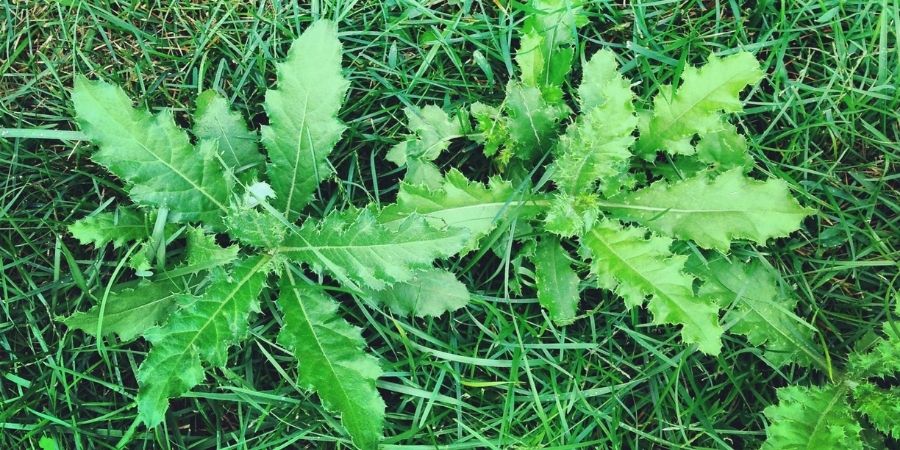
You could use a selective herbicide on your entire lawn, but by killing off the weeds you’ll be left with completely bare areas and only patches of lawn. It’s an opportunity for weeds to return. Bare soil also leaves your yard vulnerable to soil erosion.
Improper mowing can also contribute to weeds overtaking the turf. It’s important to cut lawns at the appropriate height for the grass variety. Cutting lawns too short encourages weed growth.
If weeds are winning, it’s going to be cheaper and more effective to start over.
2. More Dirt Than Grass
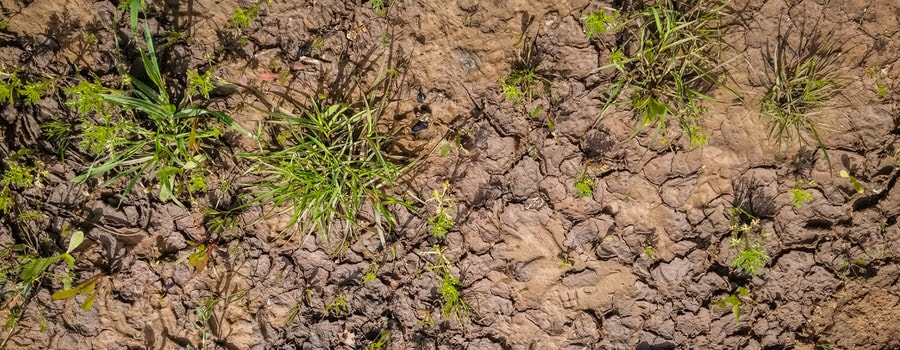
If weeds can’t even grow and your lawn is left with 40-50% soil rather than turf, it’s a clear indication that a simple patch job isn’t the answer. It’s time for a complete tear-out.
3. Persistent Dead or Brown Patches
Turf will turn brown in drought and during seasonal dormancy, which is natural. But if large areas of your lawn remain brown or yellow despite consistent watering, fertilizing, overseeding, and occasional dethatching and aerating, the grass may be dead or dying rather than dormant.
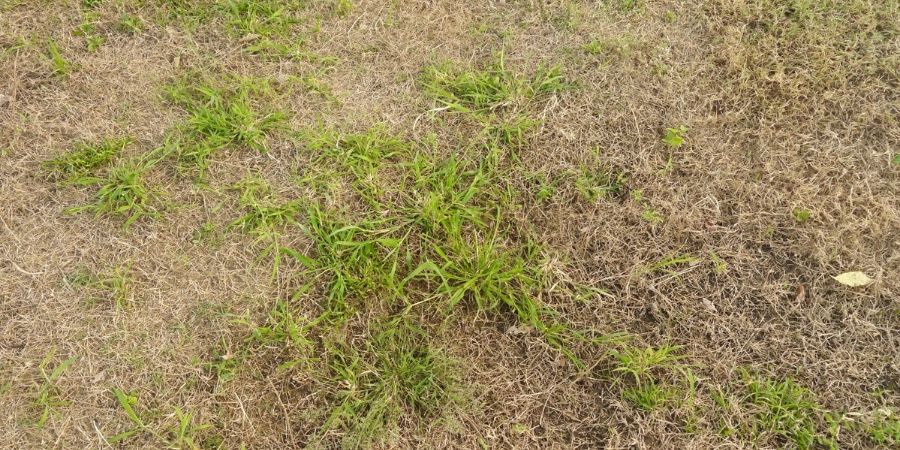
Failing root systems can be caused by soil compaction, poor drainage, diseases or pests, or a combination of them all. Test to see if the turf roots are failing by grabbing a section of the dead, dying, or discolored turf. If it pulls up easily, it means the root system has failed. This is a good indication you need new turf.
4. Soil Compaction, Drainage Issues
Hard, compacted, or spongy soil causes puddling. The soil simply can’t absorb water effectively. Compacted soil is too hard for grass roots to grow. Both compacted and spongy areas indicate a problem with grading and drainage, which can be remedied when installing a new lawn.
To check for compacted soil, all you need is a 6” screwdriver. Push the screwdriver into slightly moist soil. If there’s heavy resistance within the top 2”, the soil is likely compacted. Check several areas of your lawn.
Spongy soil is caused by over-saturated soil trapping water. Standing water suffocates grass roots and causes them to rot. Areas that are consistently soggy may have standing water or you may notice widespread areas covered in moss, indicating the environment may not be conducive for any turf.
If there’s an area where turf is always going to struggle, consider alternatives, such as native groundcover, some of which can tolerate foot traffic.
5. Extensive or Recurring Disease, Insect Damage
If your lawn suffers from extensive or recurring fungal diseases, such as brown ring patch, or extensive pest infestations, including grubs and chinch bugs, which destroy the turf from the root up, it’s often impossible to repair. Treatments may work, but repeated fungal diseases and pest damage weaken the lawn. Starting fresh lets you address the problems causing repeated damage.
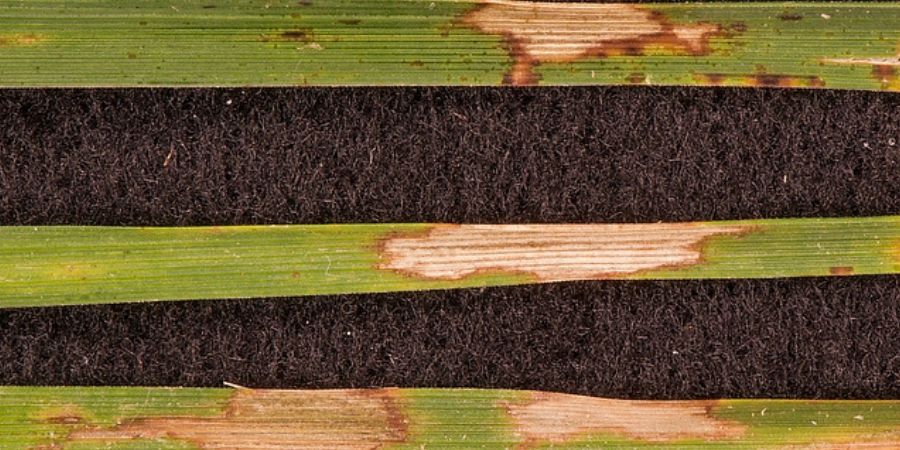
brown patch lawn disease
6. Tame the Terrain
The terrain of your yard may become treacherous, possibly even dangerous, from holes, uneven surfaces, poor grading, settling, or buried debris. If you’re avoiding holes when walking through your yard, worried about your kids’ safety, or frustrated with mowing an uneven yard, it’s a good indication that the terrain needs attention. A complete re-do of your lawn will allow you to start from scratch and do it right.
Best Time of Year to Replace Your Lawn
The best time of year to replace your lawn depends on the grass species and where you live.
Northern, cool-season grasses are best established in late summer through early fall. The warm days and cool nights provide optimal growing conditions. There’s also less weed competition in fall. The best time to seed Southern, warm-season grasses is in late spring and early summer when grass is actively growing, and there’s plenty of rain. Contact your local university extension for help determining the best time to seed in your area.
Methods of Lawn Replacement: Sod, Plug, Sprig or Seed
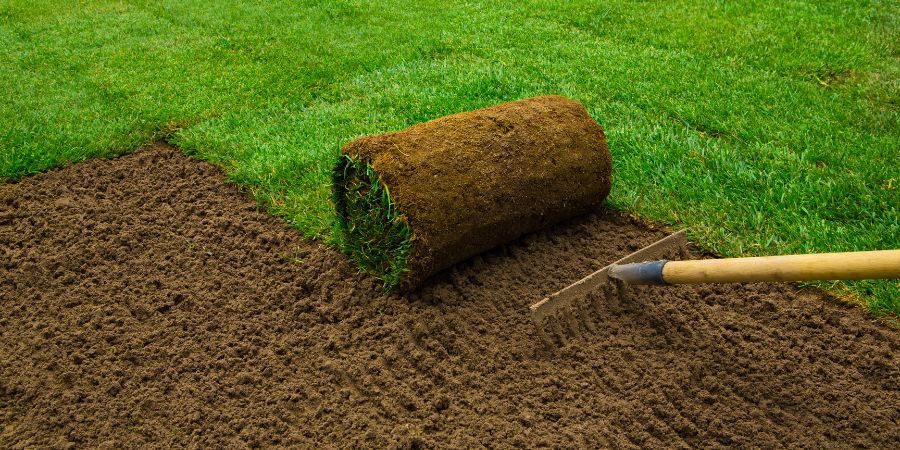
There are four methods for starting a new lawn: sod, plugs, sprigs, and seed. Sod will give you immediate results and costs the most. Seeding takes longer to establish but will be the most economical. Some grass varieties are not available as seed, such as St. Augustine grass. No matter which method you choose to establish your new lawn, it’s important to keep up with watering and mowing recommendations to successfully establish your new lawn.
My New Lawn Journey
Several years ago, my family built a home in Southeastern Wisconsin. The lot was just under an acre and, as a turf nerd, I decided we’d seed the new lawn, because I should know how to do that! I shared my experiences, good and bad, in a series of blog posts, From Seed to Lawn: The Adventures of One Homeowner. They provide a glimpse at the entire process of starting a new lawn, from establishing a budget to selecting seed and the frustration (panic?) of keeping newly germinated seed watered during unseasonably hot weather!