How to Transition Your Lawn Into Winter (And Why Fall Feeding Matters Most)
- Gardening Expert and Host of Growing a Greener World®September 26, 2026
In the big picture, there are two types of lawns: warm- and cool-season. As the names imply, the active growth of the lawn gives you a clue as to which type of lawn you have. If your grass is at its best in summer, you likely have a warm-season lawn. The most common varieties include Bermuda, Zoysia, and St. Augustine. These varieties also go dormant in fall and winter (where it’s cool enough), and green back up again when it warms up.
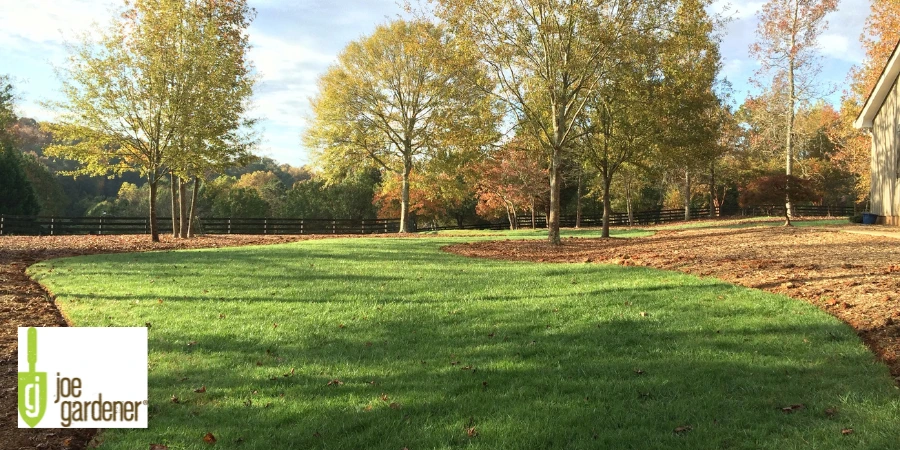
Joe Gardener's lawn in Georgia
Cool-season lawns are most actively growing in spring and fall. Varieties include Tall Fescue, Kentucky Bluegrass, and Perennial Ryegrass. These grasses go semi-dormant in summer but still maintain most of their green color, even in winter.
No matter what type of grass you have, the time to prepare it for the dormant season is when it is actively growing. Even when the grass has gone dormant and the green color has turned to tan (in warm-season grasses), the roots can still be active, storing nutrients that won’t be needed until active growth resumes. That’s why a final maintenance feeding in late summer or fall is key. Providing those nutrients around the roots will build winter resilience and give it the fuel it needs to kick into growth mode again next spring, when the timing is right.
A lawn that goes into winter well-fed comes out the other side denser, greener, and more resilient to whatever late winter or early spring throws at it. Skip this step, and you're asking a nutrient-depleted lawn to recover from winter stress and green up on empty reserves.
Here are the steps to prepare your lawn for a successful transition between active growth periods so your lawn is primed and ready.
Timing Matters for Cool-Season vs. Warm-Season Grasses
If you have a warm-season grass, the timing for addressing this final feeding of the year should happen no later than about a month before your first killing frost. Don't cut this too close, as fertilization will push new growth, and that’s exactly what you don’t want to do too close to frost time with warm-season grasses. If you have Centipede or Bahia grass, skip this winter prep and just stick to spring and summer applications.
Cool-season grasses are in their peak season coming into fall. This is the season where they can benefit from two feedings. The first is around Labor Day. The second, often called the “dormant feeding,” is the winterizing application. This is the one that’s really preparing your lawn for winter. Do this around mid to late November (before the ground freezes or that first heavy snow that’s likely to hang around).
Choose a Slow-Release Fertilizer
The most common type of fertilizer you'll find for lawns is a fast-release, synthetic fertilizer that is designed for quick results. Fast growth is not what you want now. Instead, focus on a slow feed for the roots, where energy is stored, and resilience is what is needed most. A slow-release, low-nitrogen source is the better option now. The added benefit is that the nutrients will still be around for the season, versus leaching away in wet soil.
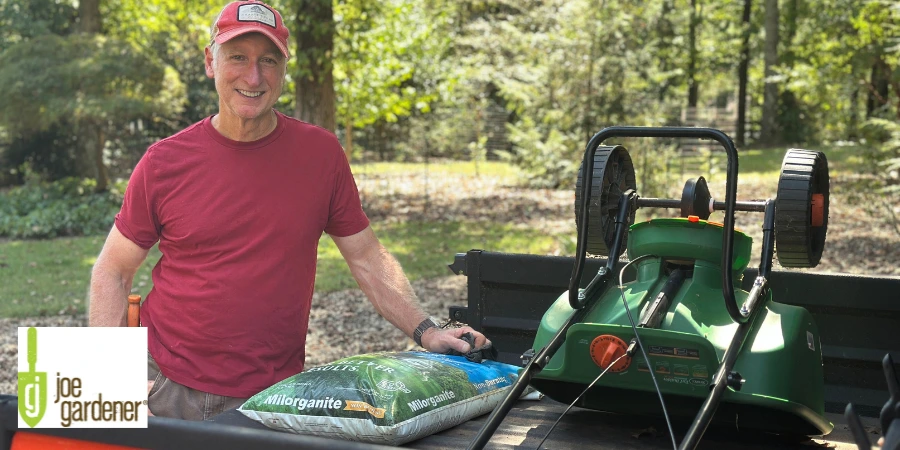
I like Milorganite fertilizer for this. It’s a non-burning, slow-release, organically derived source of nitrogen fertilizer that is ideal for a winterizing feeding (and what I opt for year-round). The nutrient ratio is (6-4-0) with the added bonus of 2.5% iron, which provides good color without pushing growth.
Mowing, Aeration, and Watering
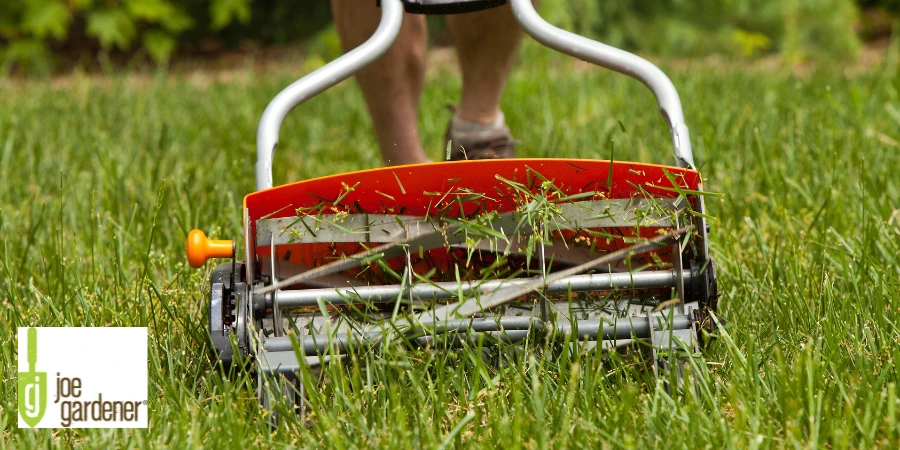
- Adjust the mowing height slightly. As you approach your final mowing or two of the season, lower the mower deck just a bit. This will help with matting and snow mold risk.
- Aerate if your soil is compacted. Rent a core aerator and run it across your lawn, ideally twice for added benefit; north to south and east to west. A core aerator opens your soil by extracting small plugs of soil. This creates much better access for water and nutrients to reach where they need to go. This is also the absolute best time to overseed your cool-season grass. I never miss an opportunity to aerate and overseed as part of that same job.
- Keep up with the watering for now. To get the most benefit from your effort, make sure the lawn stays evenly moist heading into winter. Drought stress will work against your efforts. But deep, infrequent watering in fall will support nutrient storage and root development.
Getting the order right is important. Feed your lawn at the right time for your grass type. Choose a fertilizer that is slow-release to support roots instead of forcing new growth. The extra effort to aerate, overseed, and maintain even moisture before frost will be well worth it next spring.