How to Add Native Plants to Your Landscape and Support Songbirds and Pollinators
- horticulturist and gardening expertApril 6, 2026
More people are talking about the benefits of growing native plants in our landscapes. Maybe you are one of those helping to spread the word, or perhaps you are trying to figure out how to add these native beauties to your city, suburban, or rural lot. Like some homeowners, you may have a few reservations, worried these native beauties will take over your yard, look messy, or that neighbors will complain about growing these less traditional landscape plants.
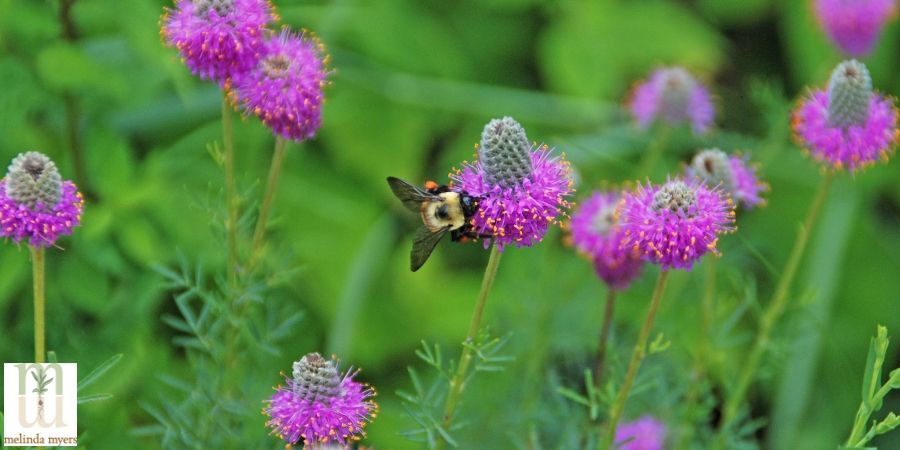
Purple Prairie clover (Dalea purpurea)
What are Native Plants?
Let’s start with a definition. Native plants are those that have been reported as occurring naturally within a certain geographic region. Over time, they have evolved and adapted to the physical conditions of the area along with other native species. This is referred to as their native or natural range. It follows that plants that are native to my area may not be native plants where you garden. I will be referring to and using examples of plants native to North America with a relatively wide natural range. These may not be native in your region, but are meant to help you evaluate and select the best native plants for your own gardens. Check with your local nature centers, university extension service, the Lady Bird Johnson Wildflower Center, the National Wildlife Federation native plant finder, and the USDA Plants Database for more specifics on plants native to your area.
Benefits of Native Plants
In case you need some encouragement, let’s start by discussing the many benefits native plants provide you and the environment. These benefits apply to urban, suburban, and large gardens and landscapes.
Native plants are the most effective plants for supporting pollinators and other beneficial insects since they all evolved together over time. Beneficial insects help manage garden pests, and many pollinate much of our food, fiber, medicines, and other products we depend upon.
Native plants also help keep rainwater where it falls, reducing the risk of flooding, basement backups, and water entering our storm sewers and potentially polluting our waterways. This is especially critical in areas with limited green space to absorb the rainwater. Small lots and those in cities with high amounts of impervious surfaces like roads, buildings, driveways, and walks have limited space for water to infiltrate before entering storm sewers.
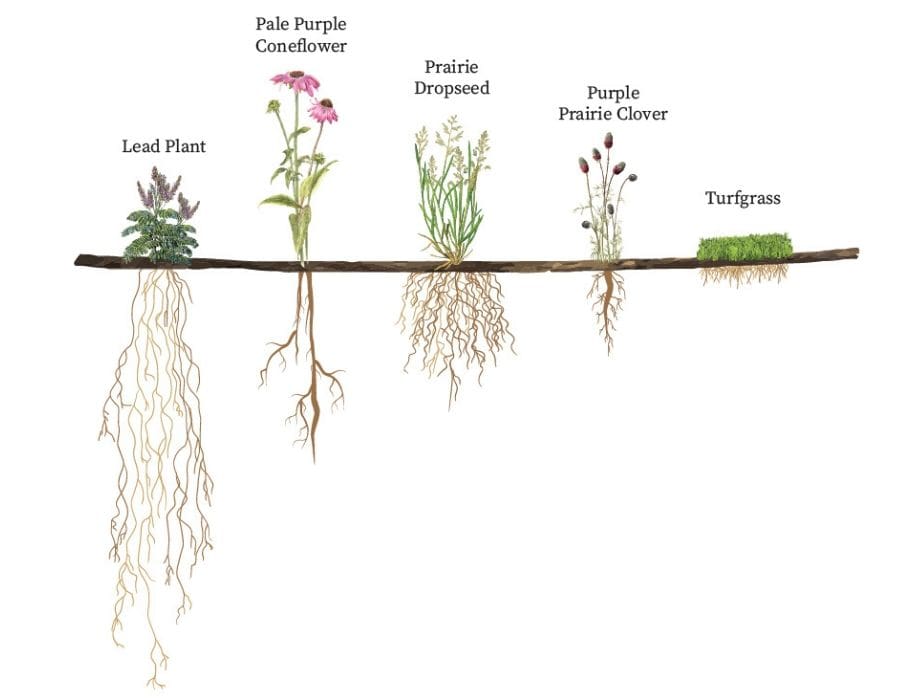
Adding these plants to your landscape helps slow water running off the roof, hard surfaces, and the lawn. The plants’ deep roots also create pathways for water to infiltrate and travel through the soil to the groundwater. As the stormwater passes by these roots and through the soil, much of the dust and pollutants are removed before reaching the groundwater.
Their deep roots also improve the soil. As older roots die, they add organic matter deep in the soil, supporting healthy plant growth.
Many native plants can break through and improve compacted and heavy clay soils. Use these native plants for those types of difficult locations. White false indigo (Baptisia alba), Purple (Echinacea purpurea) and Pale purple (Echinacea pallida) coneflowers, bergamot (Monarda fistulosa), Rattlesnake Master (Eryngium yuccifolia), Blue vervain (Verbena hastata), Culver’s Root (Veronicastrum virginicum) and prairie ironweed (Vernonia fasciculata) are just a few plants that will grow in and help improve clay soils. Visit Prairie Nursery’s website for a more extensive listing and plant profiles of clay-tolerant plants.
No plant is maintenance-free, but with proper plant selection and post-planting care, you’ll spend less time maintaining these plants once established. Always check the plant tag or catalog description to see how fast the plant will grow and spread, and its mature size. Select the best plant suited to your growing conditions, available space, and landscape design for less ongoing maintenance.
Native Plants for Urban Gardens and Suburban Landscapes
As always, it is important to select plants, including native species, that are hardy in your location, will thrive in the existing growing conditions, and fit the available space. Many native plants reseed and spread rapidly, making them perfect for those with lots of garden space. In their natural setting, like a prairie, they have lots of room to grow, spread, and comingle with other robust plants. But in a small city lot, you may end up with a monoculture of purple coneflower (Echinacea purpurea), bee balm (Monard spp.) or cup plant (Silphium perfoliatum).
You will need to manage vigorous self-seeding plants that quickly fill a garden or landscape. Use the seedlings of these plants to fill voids in the garden or start new planting beds. Removing some of the flowers as they fade helps reduce the number of seeds produced. Consider leaving at least some for the songbirds that depend on them as a food source throughout the winter. You’ll enjoy watching the motion and color these winged visitors provide when visiting your landscape.
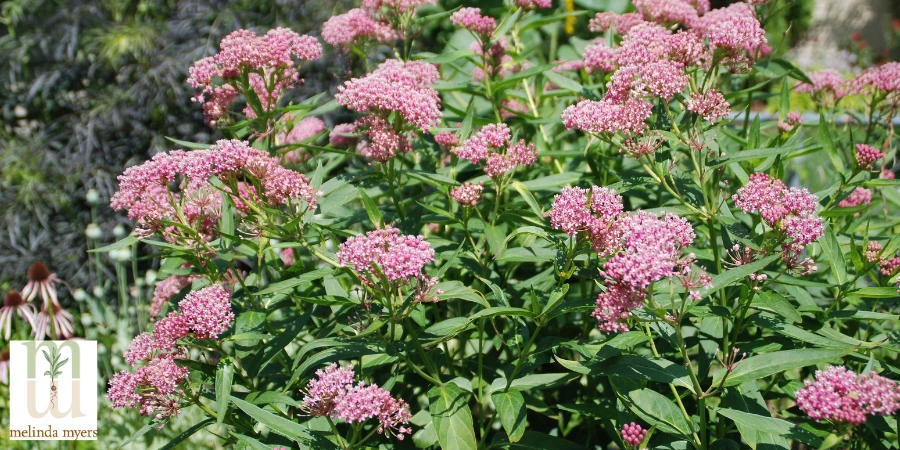
Red milkweed Asclepias incarnata
Other plants like Common milkweed (Asclepias syriaca) and cup plant (Silphium perfoliatum) spread by underground stems called rhizomes. These expand in multiple directions and can require more effort to contain. And then there are those that spread by several of these methods. Obedient plant (Physostegia virginiana) and Monarda spp. are just a few examples. These beauties can quickly fill a space. Look for the positive in managing these plants. As I thin unwanted bee balm seedlings in spring, I enjoy a bit of aromatherapy from their citrusy-mint fragrance.
Select those that spread gradually over time when space is limited, or you don’t have the time or desire to manage more assertive native plants. Butterfly milkweed (Asclepias tuberosa) and swamp milkweed (Asclepias incarnata) are hosts for the monarch caterpillar and support pollinators and hummingbirds, but will not overtake the garden like common milkweed. False blue indigo (Baptisia australis), leadplant (Amorpha canescens), New Jersey tea (Ceonanthus americanus), rosemallow (Hibiscus moscheutos), and prairie dropseed (Sporobolus heterolepis) are just a few to consider. This makes them easy to add to any size garden.
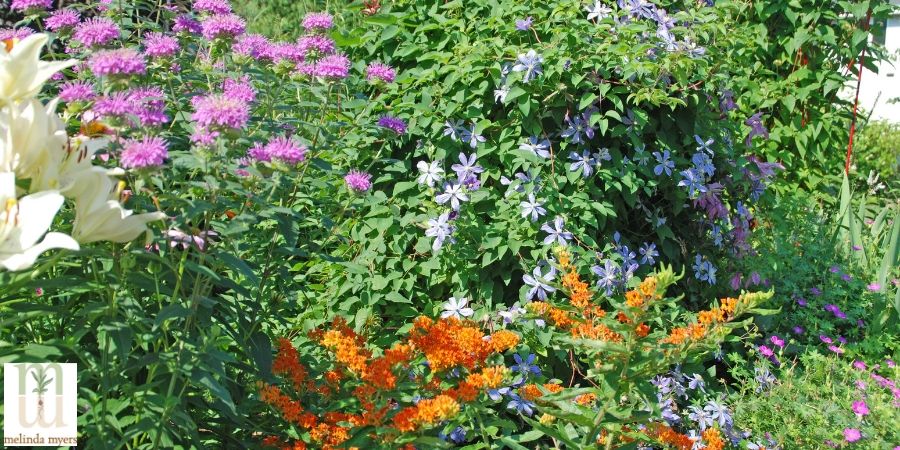
Native butterfly weed (Asclepias tuberosa) with Monarda in a garden bed with white lily and clematis. Butterfly weed is a good host for monarch caterpillars and is less aggressive than common milkweed.
Some gardeners opt for cultivars of native plants, allowing them to grow otherwise very large or aggressive species in smaller spaces with less frequent dividing. Northwind switchgrass (Panicum virgatum ‘Northwind’) is a great example. The switchgrass species reseeds readily, making it a good option for large areas but overwhelming for smaller spaces. Blackhawk big bluestem (Andropogon gerardii ‘Blackhawks’) is shorter and slower spreading than the big bluestem species. Some gardeners prefer to grow only plants native to their region, while others find cultivars of native plants are the best option for their limited space landscapes. It’s your garden and your choice.
Visit nature centers, botanical gardens, and other public spaces with native plantings. Seeing how a plant grows and spreads can help you make informed decisions when adding native plants to your landscape. These public gardens, native plant societies, and your local extension service often have lists of native plants suited to your location.
How to Plant and Care for Native Plants
As with any garden, prepare the soil before planting. It is critical to eliminate existing weeds before planting, as they can easily overwhelm a new planting as it becomes established.
Nonchemical options include smothering existing weeds with black landscape fabric tarps or cardboard and mulch, solarization, and cultivating the space twice a month throughout the growing season for one to two years before planting.
Have your soil tested before planting and follow the test recommendations. Incorporating several inches of organic matter into the top 12 inches of soil improves drainage in heavy soils and increases the water-holding ability of fast-draining soil. Incorporate Milorganite fertilizer at the same time or just prior to planting. This low-nitrogen slow-release fertilizer encourages balanced above- and below-ground growth. It also contains 85% organic matter that feeds the soil and the plants. Proper soil preparation helps get your plants off to a good start.
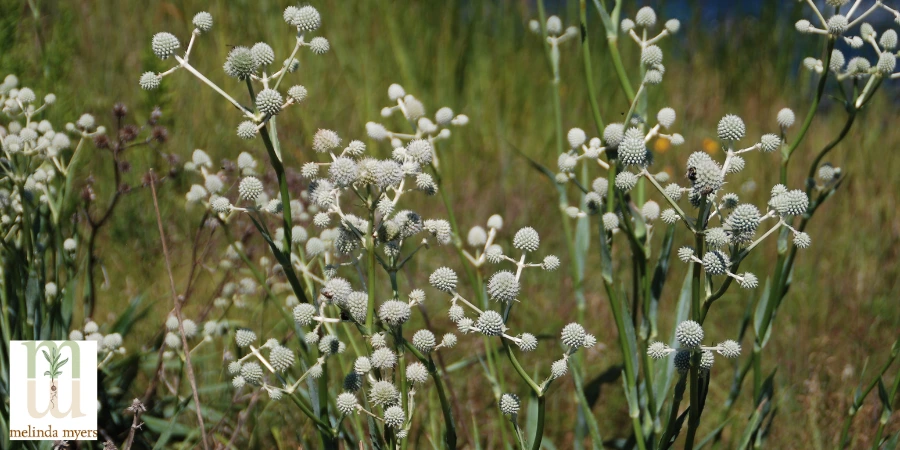
Rattlesnake Master Eryngium yuccifolium
Once established, native plants need minimal ongoing care. Many are drought-tolerant and require less watering once they establish a strong root system. You won’t need to mow, seldom if ever need to fertilize, and if so, only once in the spring, with Milorganite is sufficient.
All the beneficial insects and songbirds visiting the garden help manage any pests that find their way into your garden. You will need to remove weeds as they appear, but as the plants become established, they outcompete and crowd them. All this means you will spend less time and money managing these plants over time.
Like all perennials, your native plants will grow and spread. Spring and late summer or early fall are good times to dig and divide overgrown plants into smaller pieces. Amend the soil as needed and replant one of the divisions in the original space. Use the remaining divisions to fill voids in other gardens or start new native plant gardens.
Native Plant Garden Design
Consider starting small by adding native plants to existing gardens. As a plant needs replacing, or you start a new garden, add a native plant or two. It can be less overwhelming, allowing you to get to know the plants one or two at a time. Select a plant that not only thrives in the growing conditions but is also the right size and blooms at the right time for your garden design. Research is finding that mixing native and non-native plants in our gardens may benefit pollinators.
As you gain confidence, try creating a garden of all native plants. Design it just like you would any flower garden. Consider color, texture, mature plant size, and bloom time. Use a variety of plants that provide blooms throughout the growing season for you, the hummingbirds, bees, and butterflies to enjoy. Include some with seeds that attract and feed songbirds and grasses that add texture and motion to the winter landscape.
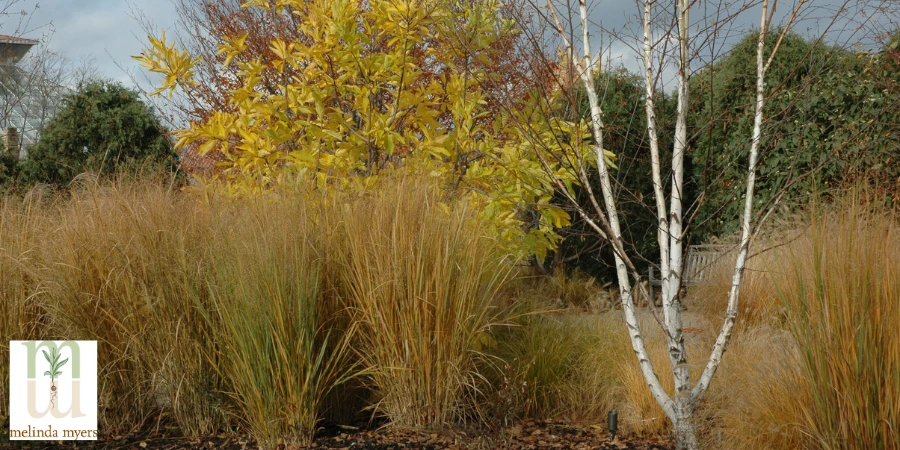
Northwind Panicum
Use repetition of color and texture to provide unity and balance in the garden. Position taller plants that need support next to grasses or sturdier plants to eliminate the need for staking. Look to nature and copy some of its winning combinations.
Reduce maintenance with an informal, more relaxed design. Create beds with gentle curves and masses of flowers and grasses. Then allow plants to intermingle, just like they do in nature, for a more casual appearance.
The final step may be converting a corner, your front or back yard into a natural planting that mimics those in nature. Many books, videos, the Wild Ones, plant nurseries, and other organizations specializing in native plants offer planting guidelines and designs.
It will take several years for your garden to grow into its full glory. Take time to enjoy the transition from seedlings to mature flowering plants.
Since the transitioning design and many of the plants may be unfamiliar to your neighbors, consider adding elements they recognize. Leave a strip of mowed grass around the garden, add a bit of decorative edging, or install a few birdhouses to let your neighbors know this is a garden with a purpose.
And as you create more natural plantings, you’ll be investing in a healthier environment, reducing stormwater runoff and creating beautiful gardens for you, pollinators, and birds to enjoy. Then watch as others follow your lead and start planting and enjoying their own natural gardens.