What Organic-Based Fertilizer Really Brings to Your Lawn and Garden
- Gardening Expert and Host of Growing a Greener World®April 4, 2026
If you’ve recently started gardening, you’ve probably stood in the fertilizer aisle staring at a wall of bags covered in numbers — 10-10-10, 5-3-4, 20-0-0 — and wondered what any of it really means.
Those three numbers represent nitrogen, phosphorus, and potassium (N-P-K), the three primary nutrients plants need. There’s a simple mnemonic that makes it easy to remember what each nutrient does (simply stated). Just remember up, down, and all around.
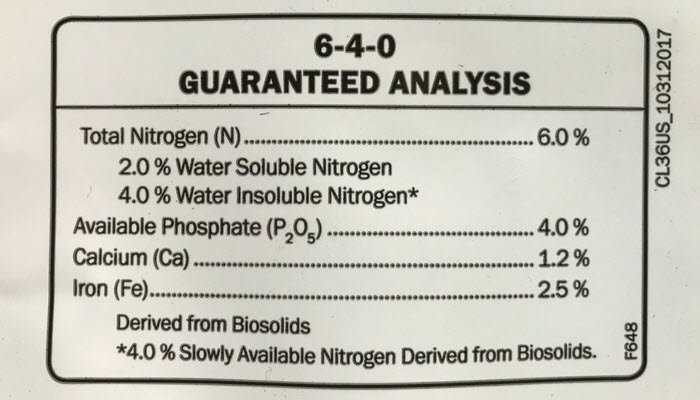

Up is for Nitrogen (N), which provides lush, green above-ground growth.
Down is for the Phosphorous (P). It provides the key nutrient plants need for healthy roots and above-ground shoots (mainly the flowers).
And the all-around reference is for Potassium (K). It's the all-around nutrient that helps build overall plant resilience and hardiness.
And here’s something that surprises a lot of new gardeners: chemically speaking, the nitrogen in an organic fertilizer and the nitrogen in a synthetic one are identical.
Plants don’t know the difference. So why does it matter where your fertilizer comes from? It matters quite a bit, and the numbers are only part of the story.
The Case for Going Organic
I’ve been gardening organically for years, and I’ll be honest — I didn’t start that way. Like a lot of gardeners, I reached for whatever was convenient or promised the best results. But once I understood what organic fertilizers actually do for the soil (not just the plant), I never looked back.
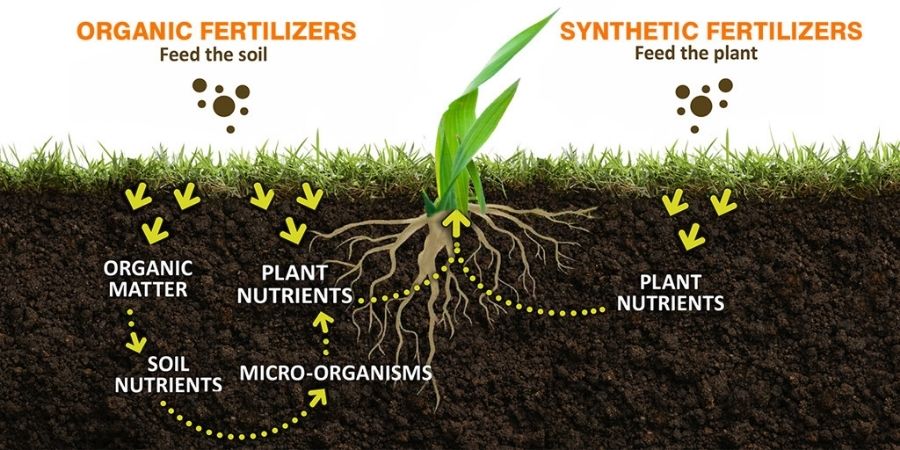
Organic fertilizers are derived from natural materials such as feather meal, bone meal, fish emulsion, kelp, composted manure, and blood meal. They are not manufactured from fossil fuels, which is a meaningful distinction both environmentally and practically. Because they come from natural sources, they tend to behave very differently in your garden than their synthetic counterparts.
Here’s what makes organic fertilizers stand out:
They’re non-burning. One of the most common mistakes new gardeners make is overapplying synthetic fertilizer, which can burn their plants. (It happened to me and was my turning point for never going back to synthetics). Organic fertilizers are forgiving. The nutrients are initially bound in organic compounds, which makes it very difficult to over-fertilize.
They release slowly. Rather than flooding the soil with nutrients all at once, nutrient-rich, organic compounds break down gradually as soil microbes get to work. This means your plants get a steady, sustained supply of nutrition rather than a spike followed by a crash.
They feed the soil, not just the plant. This is the big one. Over time, organic fertilizers become allies to improving the structure, water retention, and biological activity of your soil. Synthetic fertilizers simply don’t do this.
Compost: The Gold Standard
Of all the organic fertilizer options available to you, compost deserves a special mention. Good compost is more than just a nutrient source — it’s a living amendment. In addition to a low dose of the big three macronutrients (N-P-K), well-made compost also contains a wide spectrum of micronutrients that most bagged fertilizers don’t even list, along with a thriving community of beneficial microorganisms.
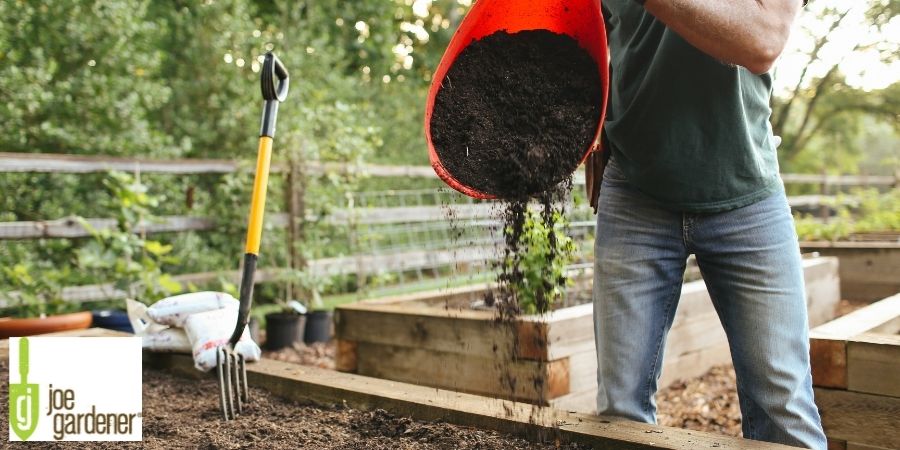
Those microorganisms matter more than most people realize. They are what is responsible for breaking down the organic matter into plant-available nutrients.
They also suppress certain soil-borne diseases, improve soil aeration, and help build the kind of rich, crumbly soil structure that plants thrive in. You can’t get that from a bag of synthetic granules.
If you’re not composting yet, I’d encourage you to start. Even a simple backyard pile from kitchen scraps and yard waste will produce something genuinely valuable for your garden over time.
What About Synthetic Fertilizers?
To be fair, synthetic fertilizers have their place and their advantages. They’re typically water-soluble, which means nutrients become available to plants almost immediately. If you’re dealing with a serious nutrient deficiency that needs rapid correction, a synthetic fertilizer can deliver results fast.
But that fast delivery is also their weakness. Because synthetic fertilizers dissolve quickly in water, they’re very easy to over-apply. Too much at once can burn roots and foliage. (That’s what it did in my lawn, leaving behind a large black burned-looking area overnight!). Also, excess nutrients that aren’t immediately taken up by plants can leach from the soil into watersheds — contributing to runoff problems that affect local ecosystems and beyond.
Timing and dosage really matter when you’re working with synthetics, which makes them less forgiving for new gardeners.
Synthetic fertilizers also do nothing to improve soil health over the long run. In fact, years of relying solely on synthetics can degrade soil biology, reduce organic matter, and leave your lawn and garden increasingly dependent on external inputs just to maintain baseline plant performance. That’s a treadmill I’d encourage new gardeners to avoid getting on.
Reading the Label: Numbers in Context
Back to those N-P-K numbers we started with. You’ll notice that organic fertilizers often have lower numbers than synthetic ones — something like 4-3-2 versus 20-10-10. That doesn’t mean the organic option is inferior. It means the nutrients aren’t as concentrated in the bag and are released more slowly. For the long-term health of your garden and lawn, that’s actually a feature I like, not a bug.
So what do you look for when selecting a fertilizer product? When evaluating any fertilizer, consider these simple questions: What does my soil actually need? (A simple soil test from your local extension office can tell you that and more.) What am I growing? Lawns, vegetables, and flowering shrubs all have different nutritional needs. And how fast do I need results?
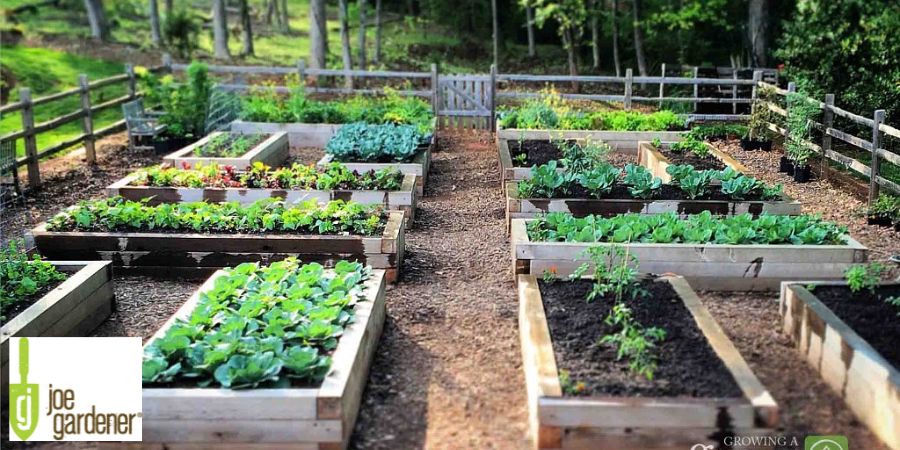
For most home gardeners working in a lawn or vegetable garden, the slow, steady, soil-building approach of organic fertilizers is the right fit. The numbers on the bag are just one piece of the picture.
The Bottom Line
When you choose an organic fertilizer, you’re not just feeding your plants for this season — you’re investing in the long-term health of your soil. You’re reducing the risk of burning your plants, minimizing runoff, supporting the soil food web and soil biology, and building something that gets better every year rather than requiring more intervention.
I’m not here to tell you that synthetic fertilizers are evil or that you’ll never have a reason to use one. But I will tell you that after years of organic gardening, my soil is richer, my plants are healthier, and my garden requires far less outside input than it used to. The numbers on the bag got me started. Understanding what was behind them is what changed how I garden.