
Stop Killing Your Plants: The Truth About “Right Plant, Right Place”
- Gardening Expert and Host of Growing a Greener World®April 18, 2026
Over 100 head horticulturalists. One hundred different gardens across the country. And almost every single one gave me the same answer.
While I was hosting a national television show that toured public gardens across the country, I had the privilege of speaking with some of the most talented horticulturalists and head gardeners in America. At every stop, I asked each of them the same question:
What’s the one thing you do to ensure that all your plants look good all the time?
The answer I received, time and time again, nearly verbatim from over a hundred professionals, was this: right plant, right place.
It sounds simple. And in principle, it is. But the implications of ignoring it are significant, and it’s the single most important decision you’ll make for any plant in your garden.
What It Actually Means
Every plant has a genetic blueprint, a set of growing preferences baked into its DNA. Sun or shade. Wet or dry. Rich soil or lean. When you place a plant in conditions that match those preferences, something almost effortless happens. It thrives. It does exactly what it was designed to do, with very little help from you.
But when you ignore those preferences by putting a plant where you want it rather than where it wants to be, that plant will spend its entire life struggling. And a struggling plant is a vulnerable one.
Why Struggling Plants Invite Trouble
A plant that isn’t growing in its preferred environment is essentially operating at a deficit. It’s putting energy into survival rather than growth. And that weakness makes it low-hanging fruit for insects, diseases, and other stressors that a healthy plant would naturally resist.
Think of it this way: imagine being asked to run a marathon while you have the flu. Could you do it? Maybe. Would you perform anywhere near your best? Absolutely not. You’d be miserable, depleted, and far more likely to get worse before you got better. Plants are no different. When they’re placed in the wrong environment, they’re fighting a constant uphill battle — and pests and disease are always waiting to take advantage.
Sun, Shade, and Everything in Between
Light is one of the most critical factors, and one of the most overlooked. Some plants are genetically wired for full sun. They’ll grow tall, bloom abundantly, and look spectacular in direct light. Put them in a shady corner, and they’ll stretch, weaken, and slowly decline. Others are built for shade. They actually prefer it, and placing them in harsh afternoon sun will scorch and stress them just as badly.
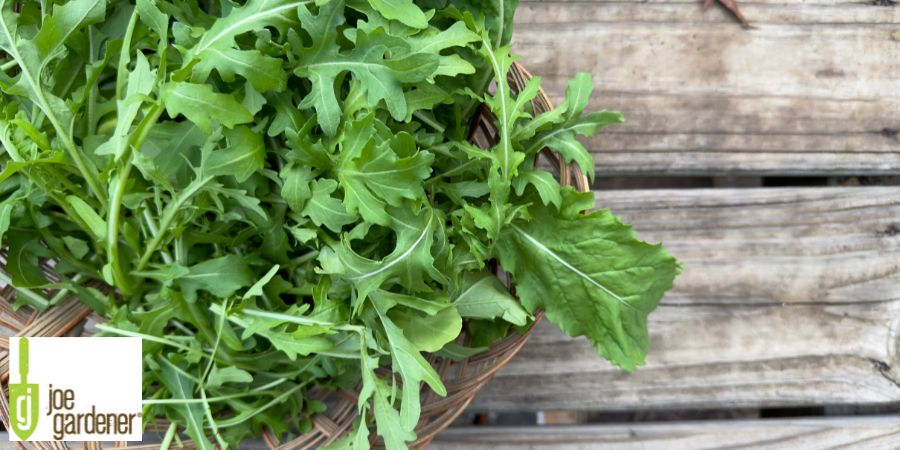
Argulua does very well in shady areas.
The same principle applies to soil type, moisture levels, drainage, and climate. Knowing your plant’s requirements and honestly assessing the conditions in your garden makes all the difference.
The One Thing You Can Do Right from the Start
Here’s the beautiful truth about this principle: a plant cannot get up and move itself. Once it’s in the ground, it’s committed to that spot. That means the most important decision happens before you ever dig the hole. Before you buy a plant, always check its tag for light, water, and soil requirements. Then be honest about matching those to the actual conditions in your planting spot, not the spot you wish it had. That one small step before you ever leave the nursery changes everything.
When you take the time to understand a plant’s needs and match it to the right place in your garden, you’re not just giving it a good start; you’re setting it up to thrive with very little additional input from you. Less watering. Less fertilizing. Fewer pest problems. Less intervention overall.
Over a hundred of the country’s finest garden professionals can’t all be wrong, and I see it confirmed time and time again in my own garden practice as well. Right plant, right place isn’t just a catchy phrase. It’s the foundation of every beautiful, low-maintenance garden I’ve ever visited. Get that one thing right, and your plants will take care of the rest.