
Why Your Plants Stopped Blooming
- Gardening Expert and Host of Growing a Greener World®July 4, 2026
You know the feeling. Three weeks ago, your roses, your petunias, your whatever-it-is looked like a magazine spread. Now? Green leaves, a couple of sad stragglers, and a whole lot of nothing. You didn’t do anything different. So, what gives?
Here’s the thing nobody tells you when you buy a flowering plant: that first big show isn’t necessarily a preview of the whole season. It’s often a one-time event powered by a very specific set of conditions, and once those conditions change, the flowers stop coming, whether you want them to or not.
The good news is that almost every version of this problem traces back to one of a handful of causes, and once you know which one you’re dealing with, the fix is usually pretty straightforward.
It Already Did Its Job, As Far As It’s Concerned
I’ll start here because this is the big one. This is the reason behind probably 80% of “my plant bloomed great and then just... stopped” complaints, and it has nothing to do with light, soil, or anything you’re doing wrong with your fertilizer.
A flower’s entire purpose, biologically speaking, isn’t to look pretty for you. It’s to get pollinated and make seeds. Once that happens, the plant considers the mission complete. It stops investing energy in more blooms and starts investing it in developing seed pods instead. If you leave those spent flowers on the plant, you are, in effect, telling it “great job, you’re done now.”
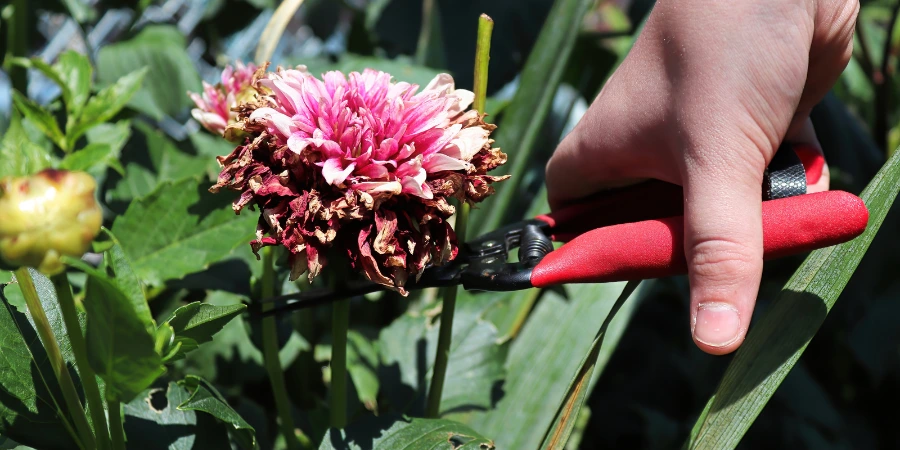
The fix: Consistently deadhead. Get out there every few days and snip off anything that’s faded, wilted, or starting to form a seed head, before it actually sets seed. For repeat bloomers such as roses, petunias, salvia, coreopsis, zinnias, a long list of others, this single habit is often the entire difference between one flush and a flower bed that keeps going until frost. It feels fussy at first. It becomes muscle memory fast, and it’s the highest-leverage five minutes you’ll spend in the garden all week.
Sometimes the Plant Just Isn’t Built for an Encore
Now, before you blame yourself for a plant that bloomed once and called it a season, check whether that’s actually a malfunction or just the plant. Some plants are genuinely wired to bloom once a year, for a defined window, and then shift all their energy into roots and foliage for the rest of the season. Peonies do this. Bearded iris do this. A lot of spring bulbs do this. Old-fashioned shrub roses, the kind your grandmother grew, often do this too.
If that’s what you’ve got, there’s no troubleshooting required, because there’s nothing broken. You’re not failing the plant. The plant is just a once-a-year performer, and that’s the deal you got when you planted it.
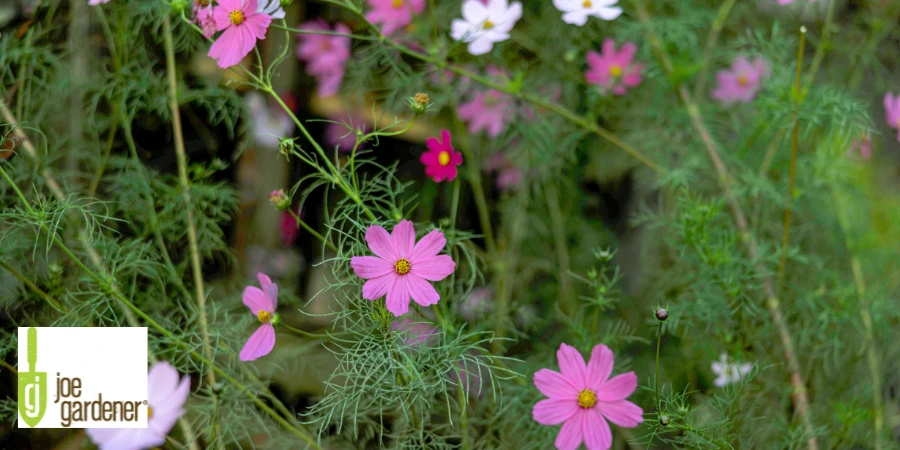
The fix: Look up your specific variety before you go down a rabbit hole trying to “fix” something that isn’t broken. If it’s a known one-time bloomer, your job for the rest of the season is keeping the plant healthy so next year’s single performance is even better, not chasing flowers that were never coming.
That First Flush Was Running on Borrowed Energy
Here’s something most garden centers won’t volunteer: a lot of the flowering plants you bring home are absolutely loaded with fertilizer and bloom-boosting compounds before you ever buy them. That spectacular first display you fell in love with? Partly the plant, partly a nutrient reserve the grower built in specifically to make it look irresistible on the shelf.
Once you bring it home and that reserve gets used up, the plant is on its own. If you’re not actively feeding it, there’s simply nothing left in the tank for round two.
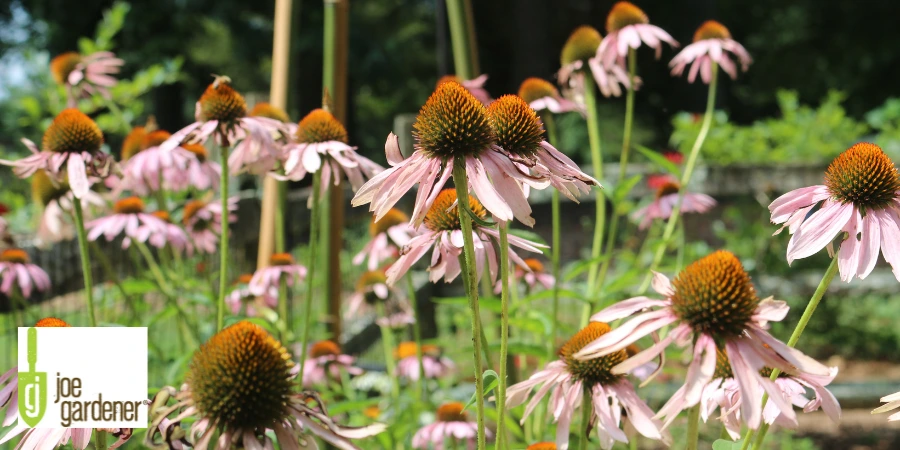
The fix: Don’t fertilize once at planting and call it done. Get on a real feeding schedule — something with decent phosphorus and potassium, every two to four weeks through the growing season — to keep giving the plant what it needs to keep producing. Think of it less as a one-time event, and more like a standing appointment.
Summer Shows Up, and Everybody Takes a Breather
If your plant bloomed beautifully in the cool of spring and then ghosted you the second real summer heat arrived, this one’s more weather-related than anything else. Pansies, snapdragons, and a fair number of petunias are cool-season performers at heart. When daytime temps climb into serious heat, they don’t die, they just pause. It’s a survival move, not a breakdown.
The fix: Keep the plant alive and reasonably comfortable through the hot stretch — nutrients,, a little afternoon shade if you can manage it — and don’t assume it’s finished for good. A lot of these varieties pick right back up once temperatures cool off again in late summer or fall. Patience, not panic.
Your Container Is Running on Empty
This one’s specific to pots, but if that’s where your plant lives, pay attention. A container has a finite amount of soil, with a finite amount of nutrients and water-holding capacity packed into it. Roots that started out with plenty of room can fill the entire pot by midsummer, and once that happens, there’s nowhere left to pull resources from. The blooms are the first thing to go.
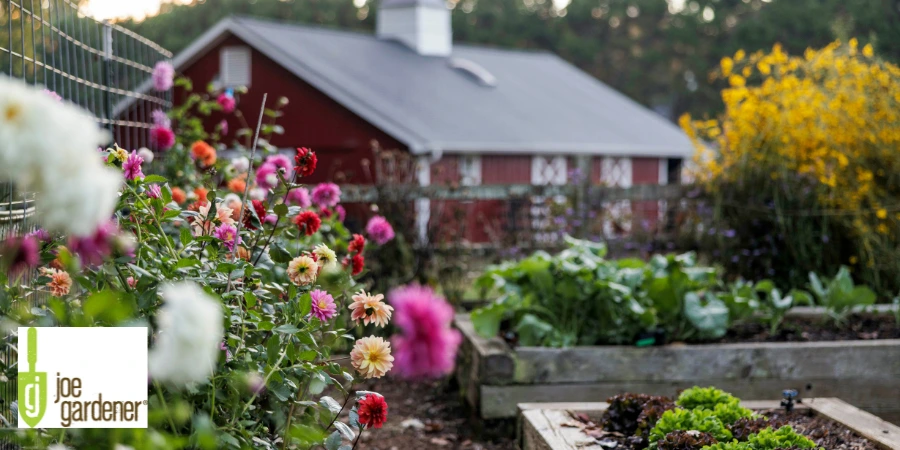
The fix: Don’t ignore your containers once the initial planting excitement wears off. Refresh the potting mix partway through the season, size up the pot if the plant has clearly outgrown it, and feed container plants more often than you would the same species growing in the ground. Containers are basically high-maintenance relationships. Treat them accordi;ngly.
Nobody Gave It a Haircut
A lot of repeat-blooming plants slow way down simply because they’ve gotten long, leggy, and stretched out, and all their energy is going into getting taller rather than branching out and budding. No new growing points, no new flowers. It’s not dramatic, it’s just neglect of a step most people don’t know they’re supposed to take.
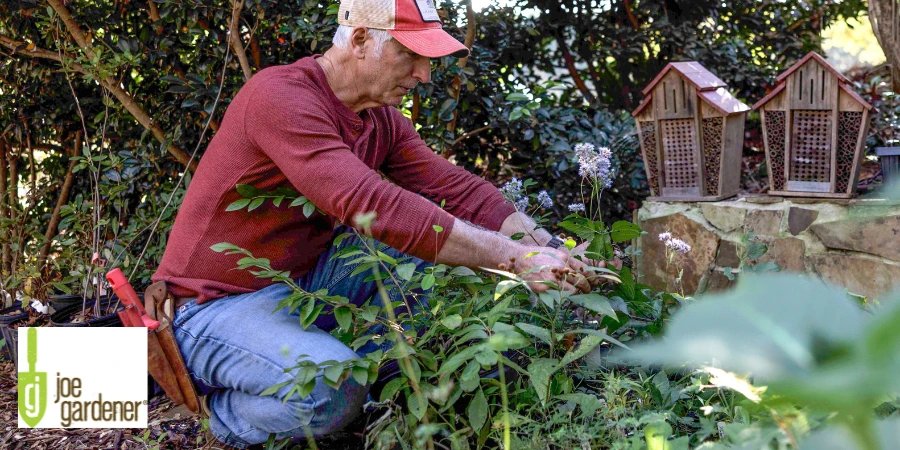
The fix: Give leggy plants a mid-season trim. Cut stems back by roughly a third. It looks brutal for about a week, and then you’ll start seeing fresh branching and new buds showing up where you cut. This is one of those things that feels counterintuitive — cutting the plant back to get more flowers — but it works, and it works often.
The Quick Diagnostic
Next time a plant goes quiet on you after a great start, run through this list before you assume the worst:
- Have you actually been deadheading, or have spent blooms been left to go to seed?
- Is this variety a known one-time bloomer rather than a repeat performer?
- Has it been fed since planting, or did that original nursery reserve simply run dry?
- Is this a heat stall, and might it pick back up once temperatures drop?
- If it’s in a pot, is it root-bound or just out of nutrients?
- Has it had a mid-season trim, or has it just been getting taller and leggier?
Nine times out of ten, the answer is in there somewhere. Flowering is the most expensive thing a plant does, energetically speaking, and it will only keep doing it when the conditions actually support it. Figure out which one’s missing, fix that one thing, and you’ll usually get your second act.