How to Get Rid of Mosquitoes Naturally: Backyard Mosquito Control That Works
- horticulturist and gardening expertJuly 11, 2026
Don’t let the buzz of mosquitoes keep you indoors. Most mosquitoes are a nuisance causing rashes and itching but some species can transmit diseases that can make you sick. Using a combination of mosquito management strategies can help you have a more enjoyable summer.
Backyard Mosquito Control without Chemicals
Start by eliminating standing water where mosquitoes lay their eggs and the larvae hatch and feed on tiny organisms in the water. Once they morph into adults, they leave the water and look for animals and people to dine upon. Empty water that collects in toys, buckets, pool covers, tarps, or any object left outside that holds water. Clean clogged gutters where water can collect, and mosquitoes can breed.
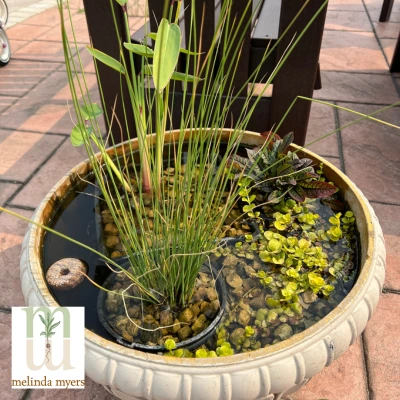
Mosquito Dunk in standing water
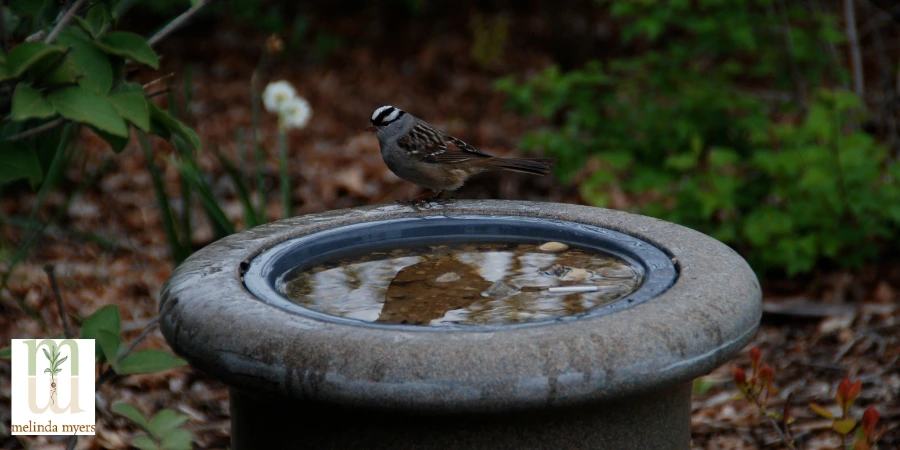
Manage the water in birdbaths, fountains, other water features, and rain barrels. Change the water in your birdbaths and wading pools at least once a week. Keeping your birdbath filled with fresh water not only prevents mosquitoes from breeding there but is necessary to keep songbirds healthy. Add a pump to keep water moving and prevent mosquitoes from breeding in water features. Use an organic mosquito control like Mosquito Dunks in rain barrels and water features with standing water or those that lack mosquito-larvae-eating fish. The active ingredient is Bacillus thuringiensis israelensis (BTi), a naturally occurring soil bacterium that kills the mosquito larvae, but is safe for people, fish, songbirds, pets, beneficial insects, and wildlife.
Manage rainfall on your landscape to help alleviate standing water. Improve the drainage of heavy clay soil by amending it with compost. Grow deeply rooted native plants that create channels for water to enter and move through the soil. Plant a rain garden designed to intercept stormwater runoff from the roof, walkways, and lawn before it reaches the storm sewer. The water will drain within 24 to 36 hours in a properly designed rain garden.
Install French drains, drain tiles, and other drainage systems if needed. Always consult your municipality first for any relevant guidelines and restrictions.
Managing Adult Mosquitoes
Make your landscape less appealing to mosquitoes without the use of insecticides. Removing weeds, managing neglected garden spaces, and keeping your lawn properly mowed helps reduce daytime resting spaces for adult mosquitoes.
Keep mosquitoes out of your house. Make sure your screens are in good condition and repair any screens and windows that may be providing easy access into your home.
Removing Weeds reduces spaces for Mosquitoes
Do your research before deciding to invest in traps. Researchers found that only 5% of insects trapped by bug zappers were mosquitoes, and there was no evidence they reduced the biting rate. CO2 traps do capture mosquitoes, but once again there was no reliable evidence it reduced the biting rate. And there was no scientific evidence that the Yeast Traps or Sonic mosquito repellents were effective.
Keep in mind even natural products used to treat landscape plants and those approved by the EPA can have a negative impact on the environment. Some of the insecticides used are broad-spectrum killing a wide variety of insects including pollinators and other beneficial insects that feed, live, and rest on the plants being sprayed. And when used near water, some can be harmful to aquatic organisms.
Songbirds Help Manage Mosquitoes
Invite songbirds into your backyard with birdhouses, birdbaths and feeders. Nearly 96% of North American terrestrial birds feed on insects, including mosquitoes, while adding color, motion and beauty to your landscape.
Include a hummingbird feeder and a few of their favorite flowers like columbine, salvia, penstemon, and phlox. Then watch as these fast flyers feed upon aphids, mites, and mosquitoes between sips of nectar.
Make sure you have the right habitat and roosting sites if trying to entice insect-eating bats to your landscape. Grow native plants that attract and support many of the insects bats like to eat. Provide water from a pond or trough with a long opening and clear path for the bats to swoop down for a drink. Before purchasing or making a bat house consult Bat Conservation International (BCI) for recommended dimensions, placement, and care.
Inviting toads to your garden to help manage mosquitoes, other insects, slugs and snails is much easier. Just leave some leaf litter under trees and shrubs and in garden beds. Use groundcovers, preferably native ones, in place of lawn wherever possible. Don’t forget the water. Even a shallow saucer filled with chlorine-free water is effective. Use rocks in and around the water for added toad appeal.
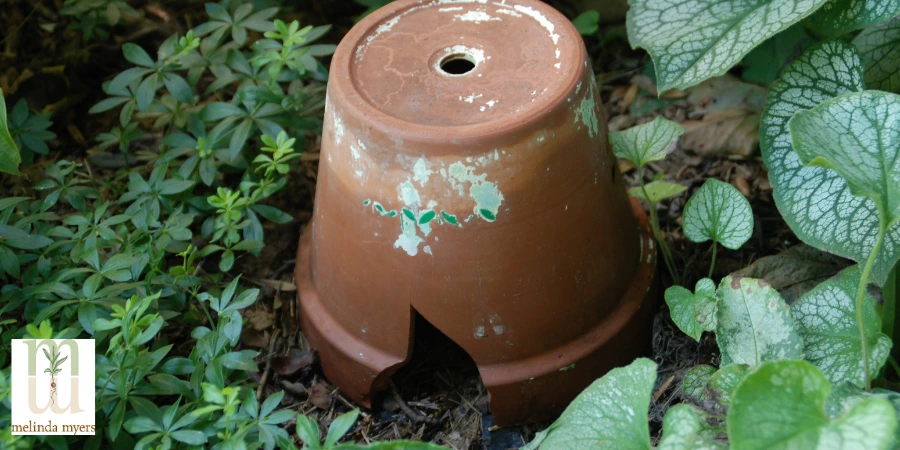
Have some fun and build a toad abode from a ceramic or clay pot. Place it directly on the soil so the toad can dig. Elevate one side with stones or use a cracked or broken pot that provides an entryway for the toad. Place your above-ground toad abode in a shady spot beneath shrubs and perennials where insects tend to linger and near water.
Mosquito-free Entertaining
Keep mosquitoes away when hosting a party, gardening, or relaxing outdoors. Use a fan to create a gentle breeze that keeps the weak flying mosquitoes away from you and your guests. You may even want to take one to the garden while weeding.
Light a few citronella candles for a bit of ambiance and mosquito control at your next evening party or event. Citronella oil and the scented candles do have some mosquito-repelling properties. Scatter lots of candles throughout your entertainment space. Position the candles within a few feet of your guests for some short-term relief.
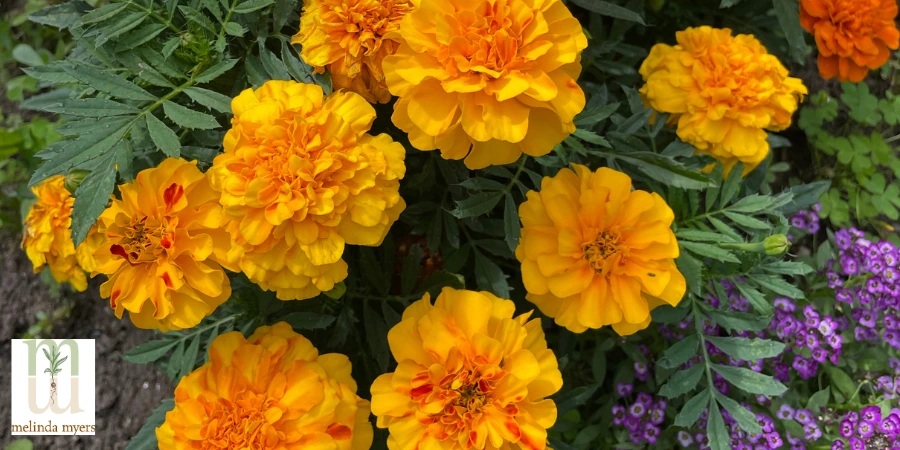
Marigolds
Add some welcome fragrance but no additional mosquito control with plants often credited with mosquito-repelling properties. Most plants sold as citronella are actually scented geraniums and not the true citronella plant. Plants like lavender, Rosemary, peppermint, marigolds, and others must be crushed and rubbed on the skin to be at all effective.
Preventing Mosquito Bites
Cover as much of your skin as possible with loose-fitting light-colored clothing. These pests are less attracted to the lighter colors and can’t readily reach your skin through loose clothing. You can also purchase repellent-treated clothing or treat your own with DEET, permethrin, or picaridin. Read and follow all label directions to safely use and wash factory-treated clothing and any you treat yourself.
Further protect yourself from biting mosquitoes by using an Environmental Protection Agency (EPA) registered repellent. For those looking to avoid DEET, the Center for Disease Control and Prevention has also approved products with the active ingredients picaridin, IR3535, and oil of lemon eucalyptus. Avoid products that contain both sunscreen and insect repellents, as you need to apply the sunscreen more often than the repellent.
None of these methods provides 100% control, but using a combination of strategies can help reduce mosquito populations. Fewer mosquitoes mean a more enjoyable time outdoors this summer.